

Rabat Emerges As Morocco’s Quiet Alternative
Morocco’s tourism sector is expanding quickly, but Rabat remains notably outside the main surge, offering a calmer proposition than the country’s most heavily visited destinations. That contrast is becoming increasingly significant as Morocco pursues higher visitor volumes while some travellers look for cities that combine cultural depth,...
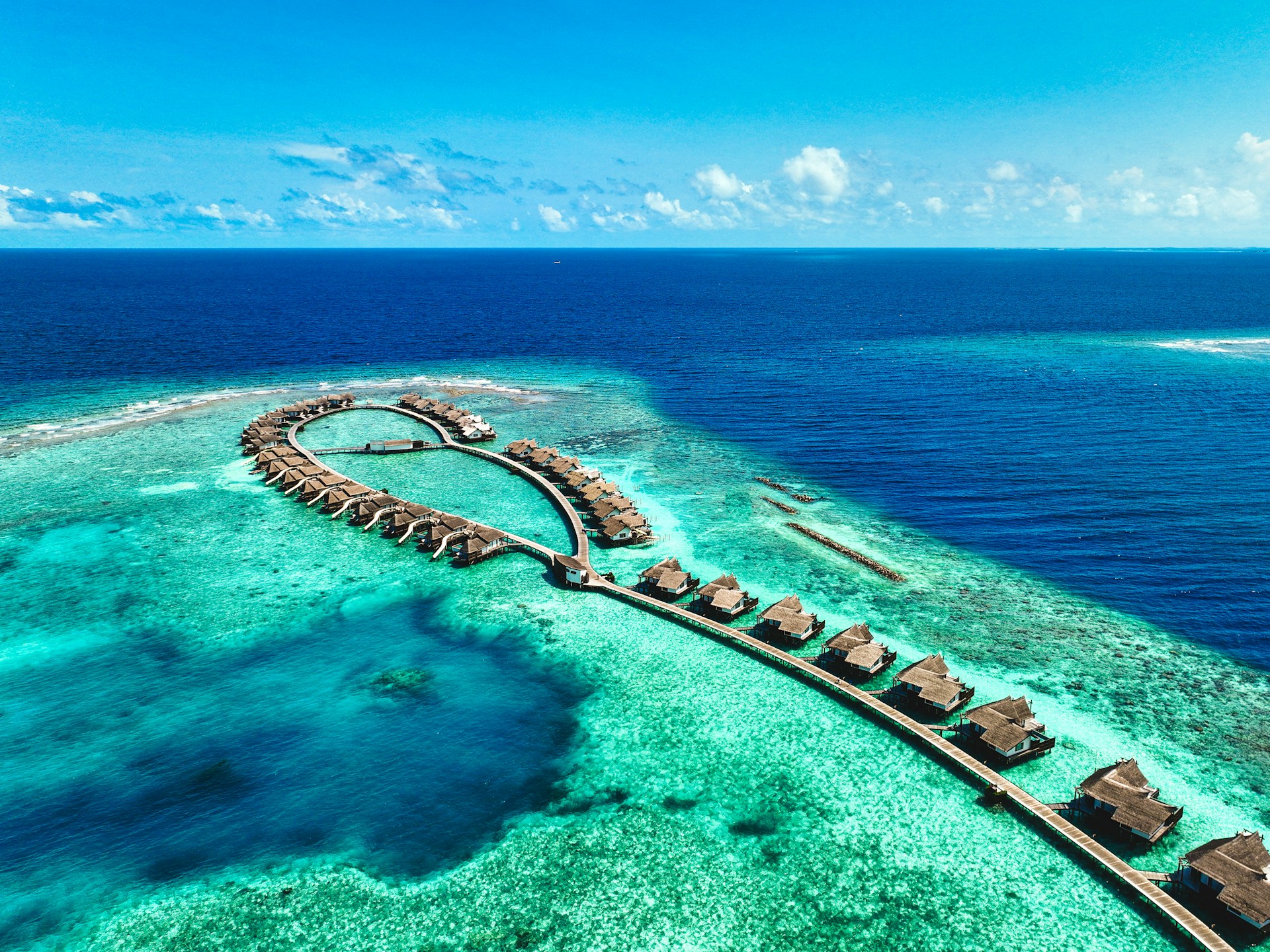
A Hidden Maldives Sanctuary for Exclusive Escapes
Velaa Private Island in the Maldives has redefined luxury with its meticulous attention to detail, offering a harmonious blend of elegance and ease....
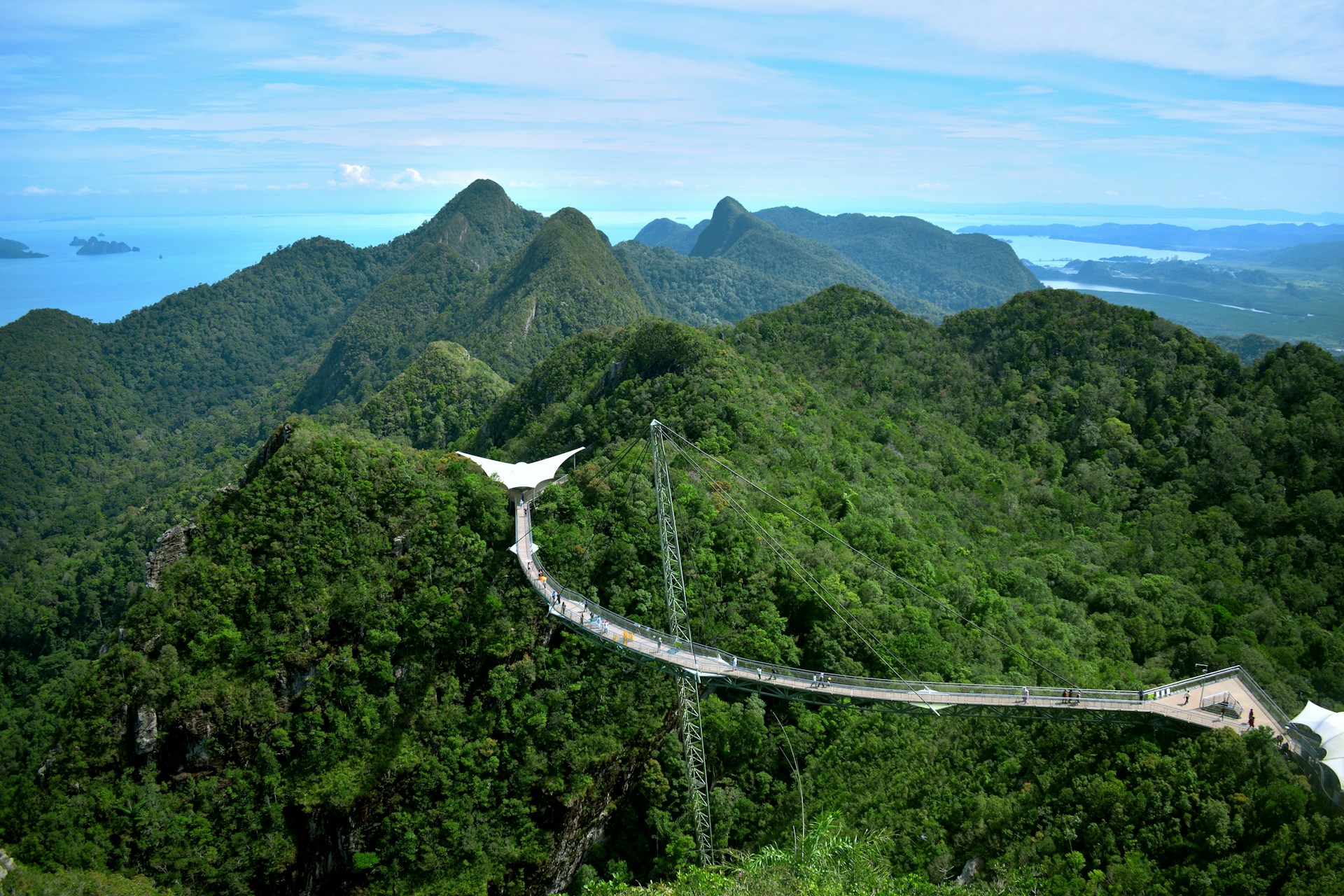
Borneo and Langkawi Offer Pristine Escapes
Travellers seeking a blend of raw nature and refined hospitality are turning their attention to two distinct Malaysian destinations that showcase the...
More Perspectives

Alaska Awaits America’s Next Eclipse Pilgrims
The next total solar eclipse visible from the United States will not arrive until 30 March 2033, when totality will fall over Alaska rather than the...

Carmarthenshire Emerges as Wales’s Outdoor Draw
Carmarthenshire is sharpening its appeal as a destination where outdoor activity, local food and characterful accommodation are tightly woven into a...

Vietnam flight cuts unsettle tourism outlook
Vietnamese airlines are preparing to reduce flights from April as fuel supply constraints linked to the Middle East conflict begin to affect both...

Quiet luxury travel reshapes Mallorca experiences
Mallorca is increasingly positioning itself as a destination for slower, more deliberate travel, as visitors seek quieter and more immersive...
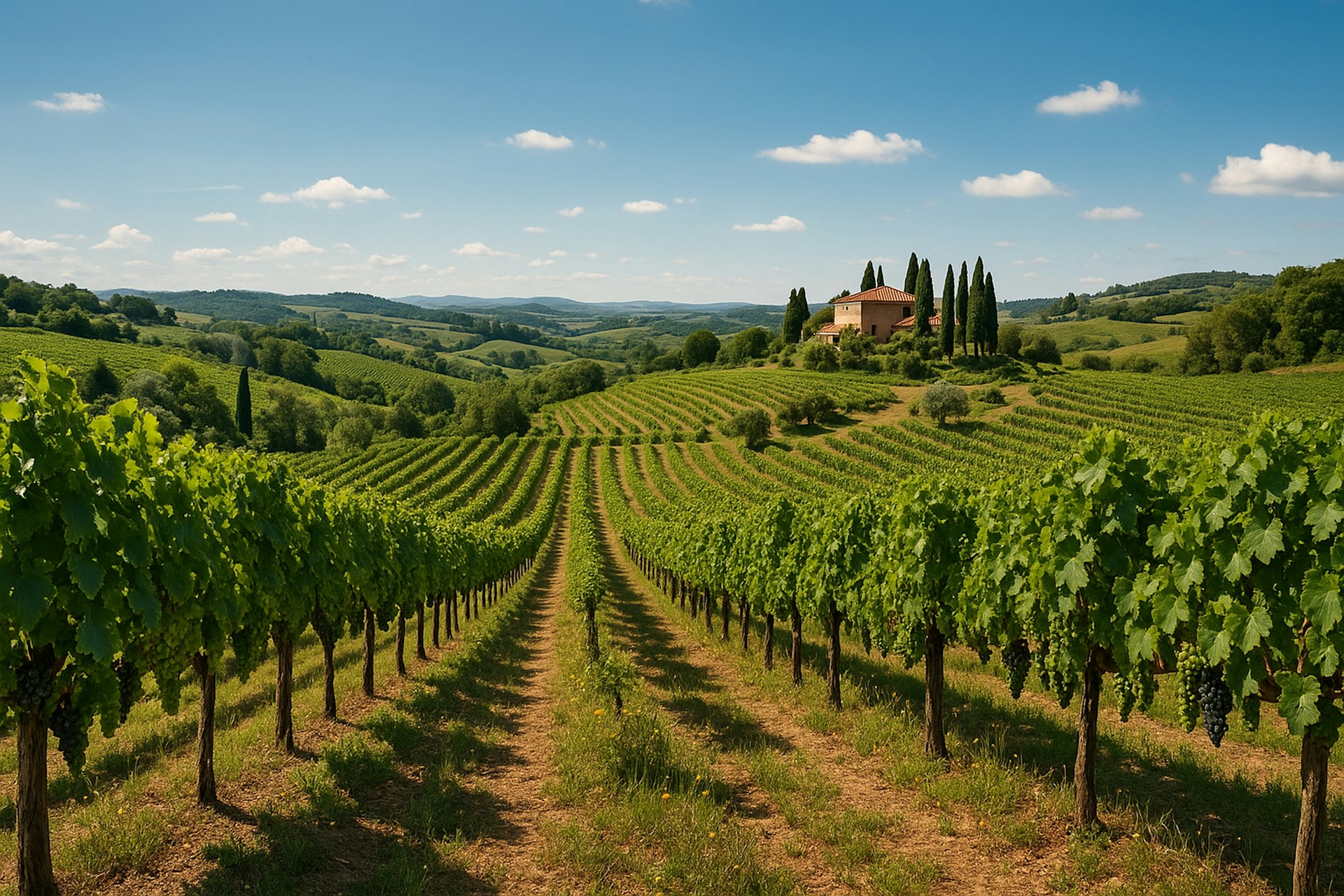
Spring Tuscany Travel Window Attracts Early Planners
A narrow spring period between mid-April and early May is drawing heightened attention from travellers seeking quieter conditions and favourable...

Village tourism revives remote Himalayan communities
A community-based tourism initiative in India’s Himalayan foothills is demonstrating how small-scale travel projects can support rural economies...
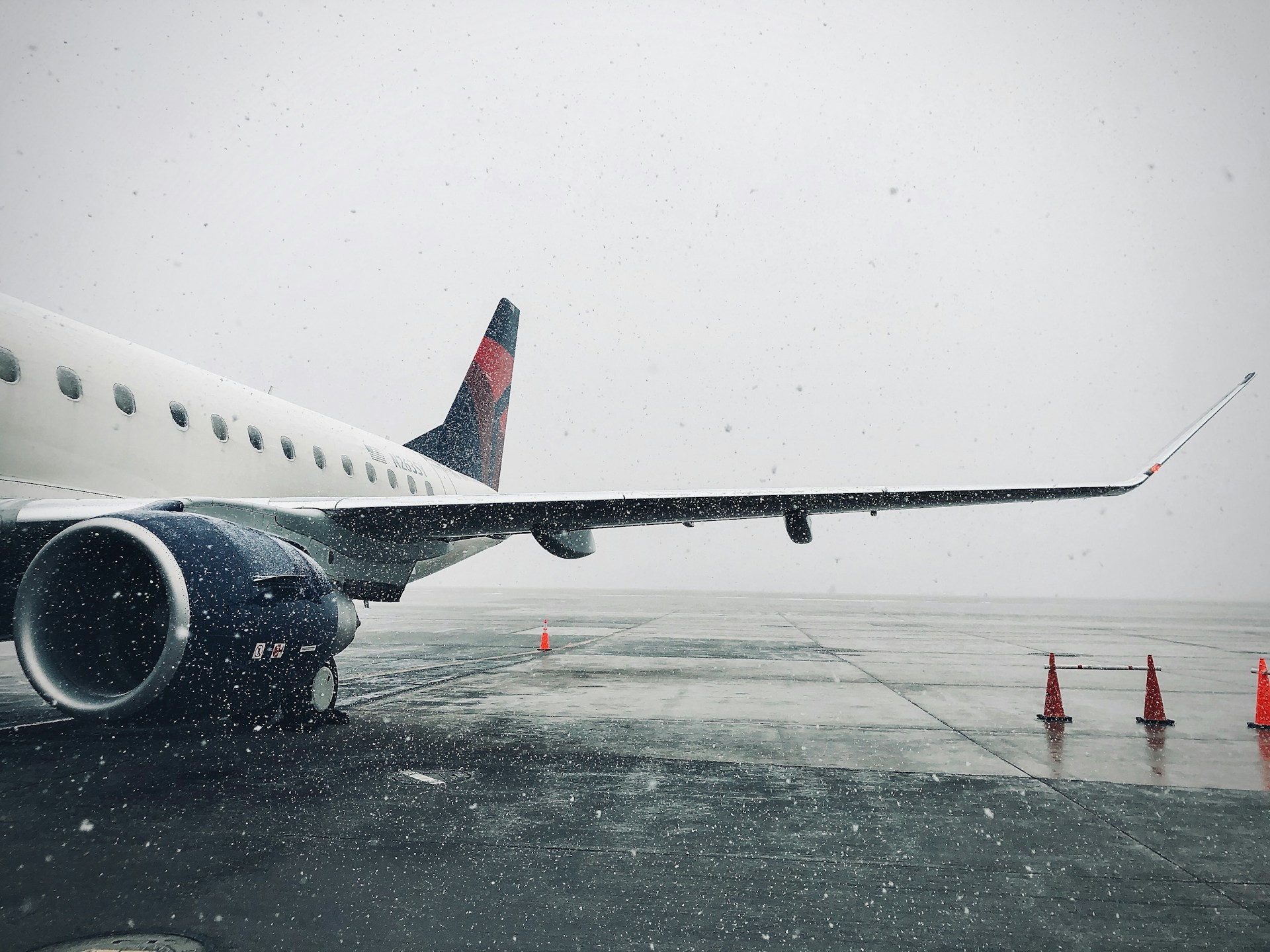
Jet fuel surge threatens global airfare rises
International travellers may soon face higher ticket prices as a sharp rise in aviation fuel costs ripples through the airline industry following...

Thailand Resort Targets Wellness Tourism Demand
Thailand is strengthening its position in the global wellness travel market as resorts increasingly combine luxury hospitality with holistic health...

More Perspectives

Scenic Running Trails Reshape Adventure Tourism
Outdoor running routes across the United States are emerging as influential attractions within the international travel market, as travellers...

Advisers Face Growing SME Exit Challenge
Small and medium-sized businesses are approaching succession with too little preparation, creating a growing challenge for advisers expected to guide...
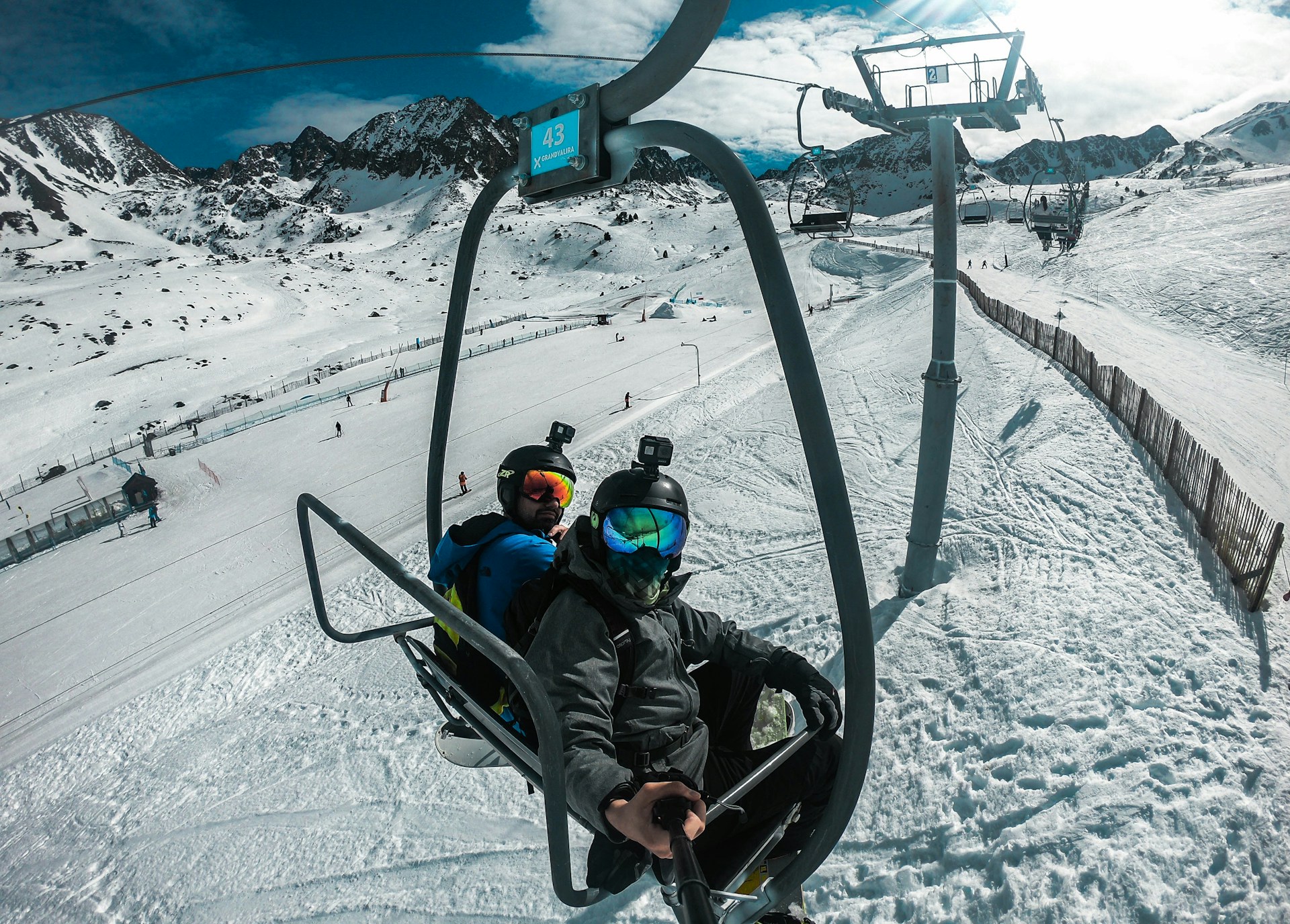
Luxury Ski Travel Redefines Global Winter Tourism
Luxury ski travel is emerging as a distinctive segment of international winter tourism, offering travellers a combination of elite alpine sport,...
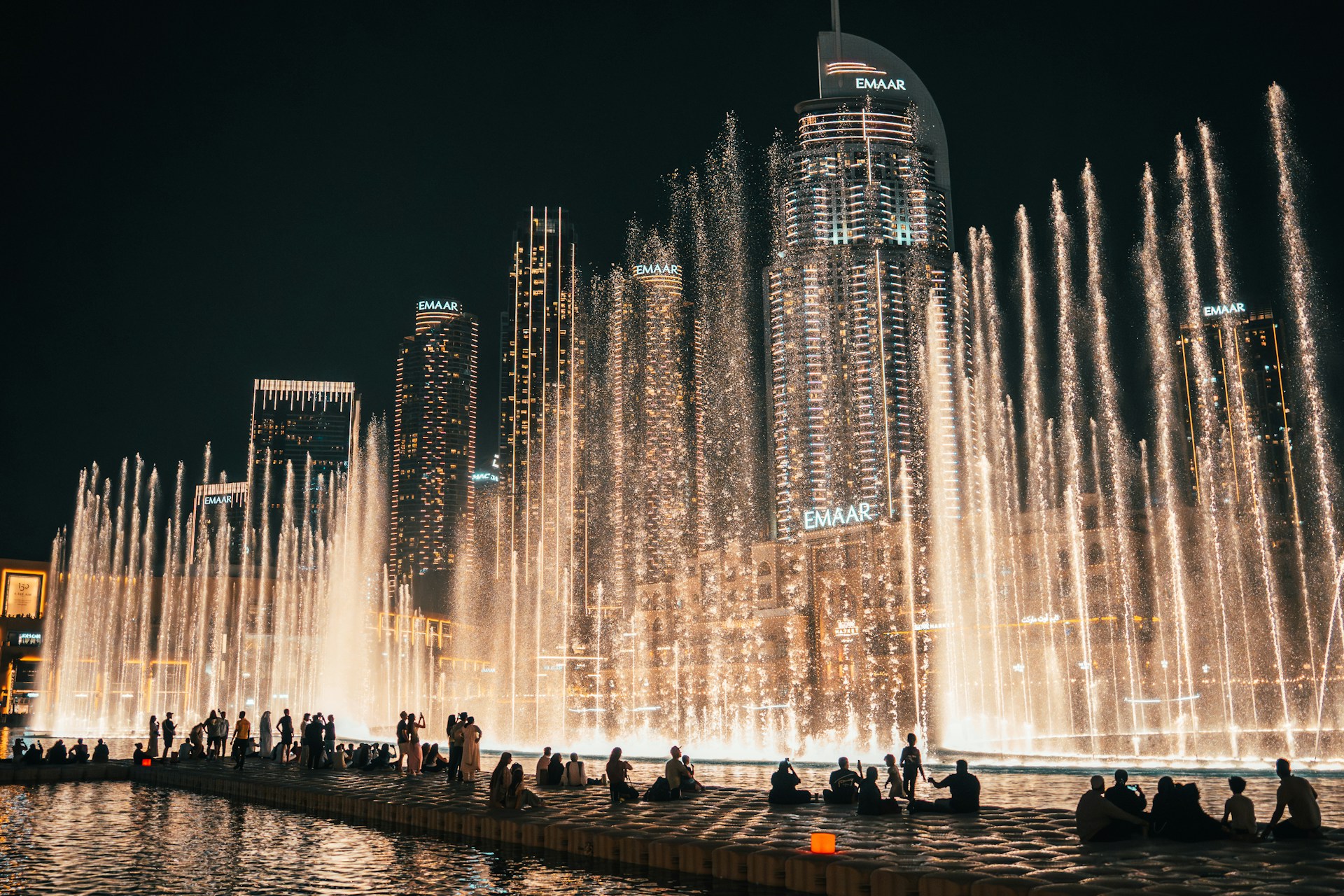
Dubai Tourists Head to Oman and Saudi Airports
Stranded travellers from the United Arab Emirates have resorted to overland journeys to Oman and Saudi Arabia in a bid to secure flights out of the...
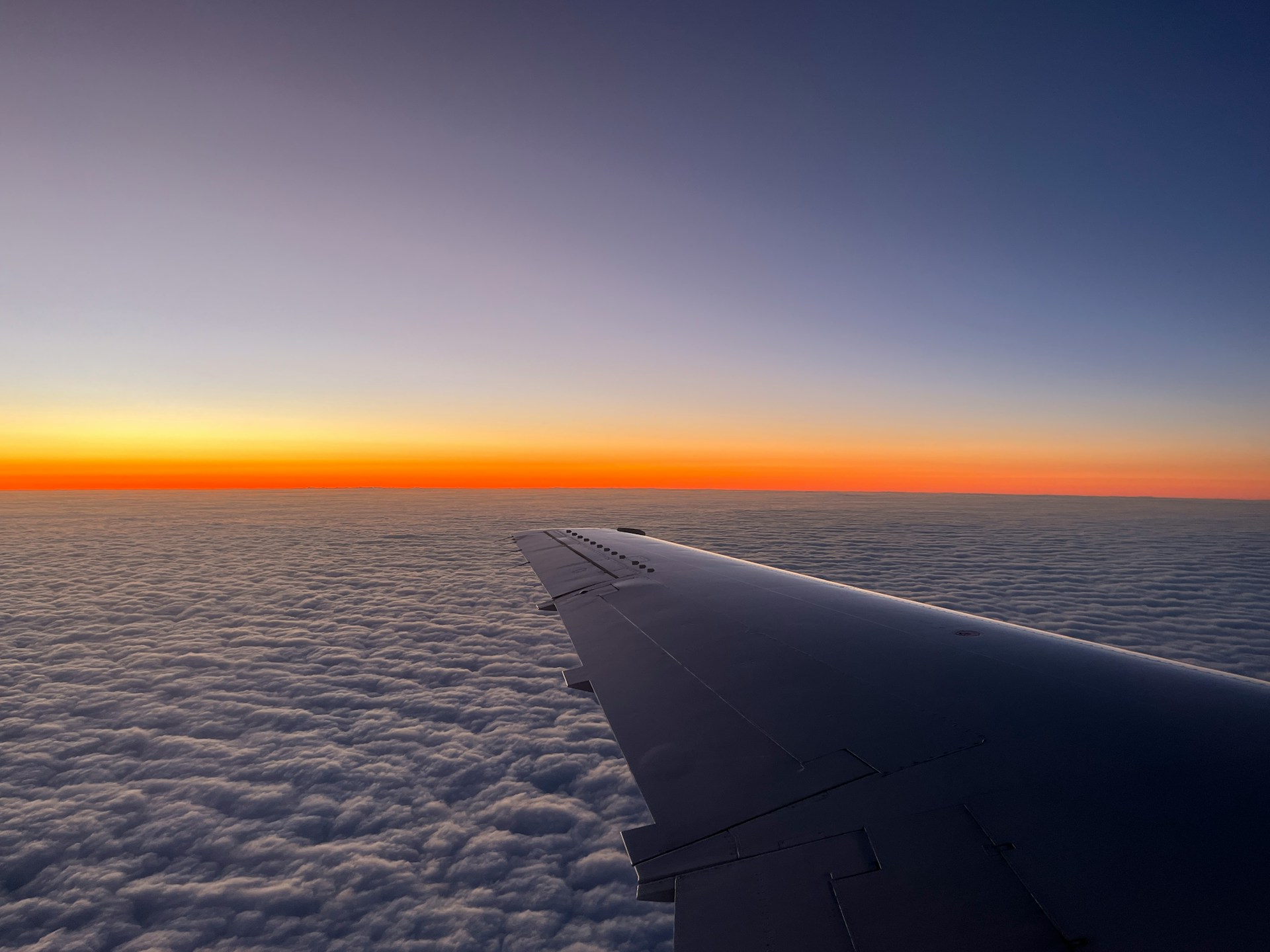
Middle East Conflict Disrupts Global Air Travel
Escalating missile exchanges across the Middle East have triggered one of the most significant disruptions to international travel since the Covid-19...

Red Sails Revive Ha Long Tourism
A fleet of traditional red-sailed wooden boats is set to enter official tourism service in Vietnam’s Ha Long Bay, marking a cultural revival designed...
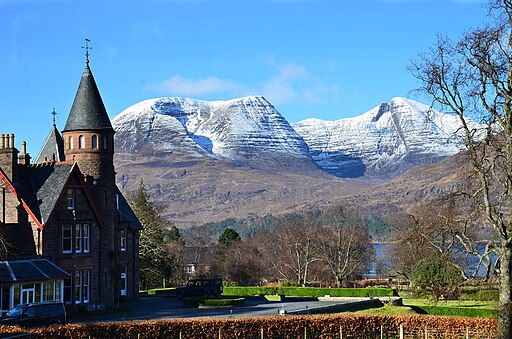
Scottish Highlands Retreat Targets Global Travellers
The Torridon, a five-star boutique hotel on the shores of Loch Torridon in Scotland’s Wester Ross, is positioning itself as a flagship destination...

US Global Entry Suspension Jolts Travel Sector
The suspension of the United States’ Global Entry programme has prompted urgent appeals from travel industry groups and lawmakers, underscoring the...
More Perspectives

Thalassotherapy Anchors Luxury Wellness Travel Expansion
Seawater-based spa treatments are emerging as a defining feature of high-end resorts, as thalassotherapy evolves from a European thermal tradition...
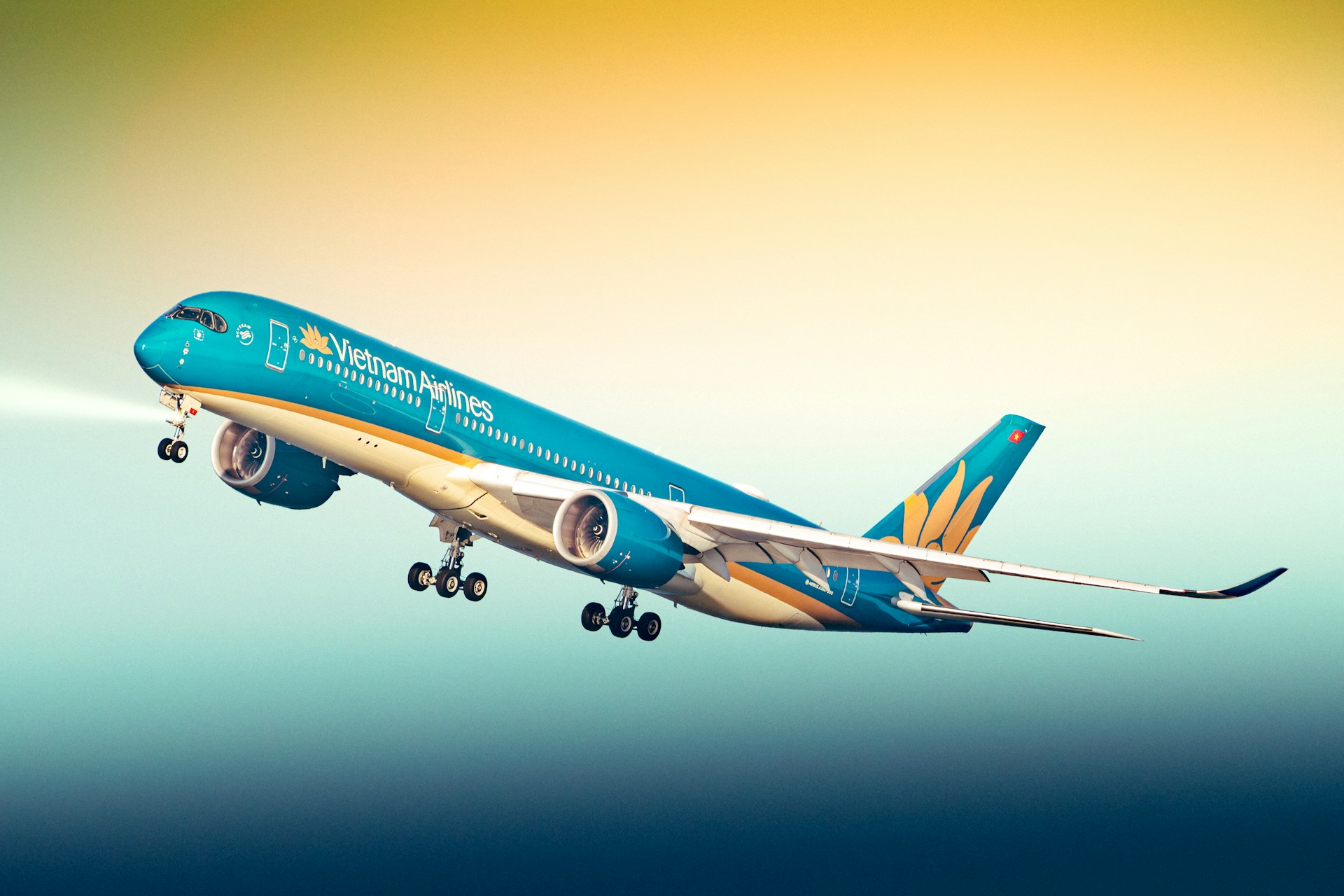
Vietnam Airlines Expand Fleets With Boeing
Vietnamese carriers have signed agreements worth around $30 billion to acquire 90 Boeing aircraft, signalling a significant expansion of the...

Global Destinations Escalate Fight Against Overtourism
As international travel accelerates towards a projected 1.8 billion arrivals by 2030, governments are deploying increasingly forceful tools to manage...

Rail Tourism Recasts Jalisco’s Tequila Corridor
Rail connectivity between Guadalajara and the town of Tequila is reshaping visitor flows in Jalisco, converting a once sporadic pilgrimage into a...

US investors drive New Zealand golden visa surge
New Zealand is experiencing a sharp rise in applications for its investor residency scheme, with wealthy Americans leading demand as changes to visa...
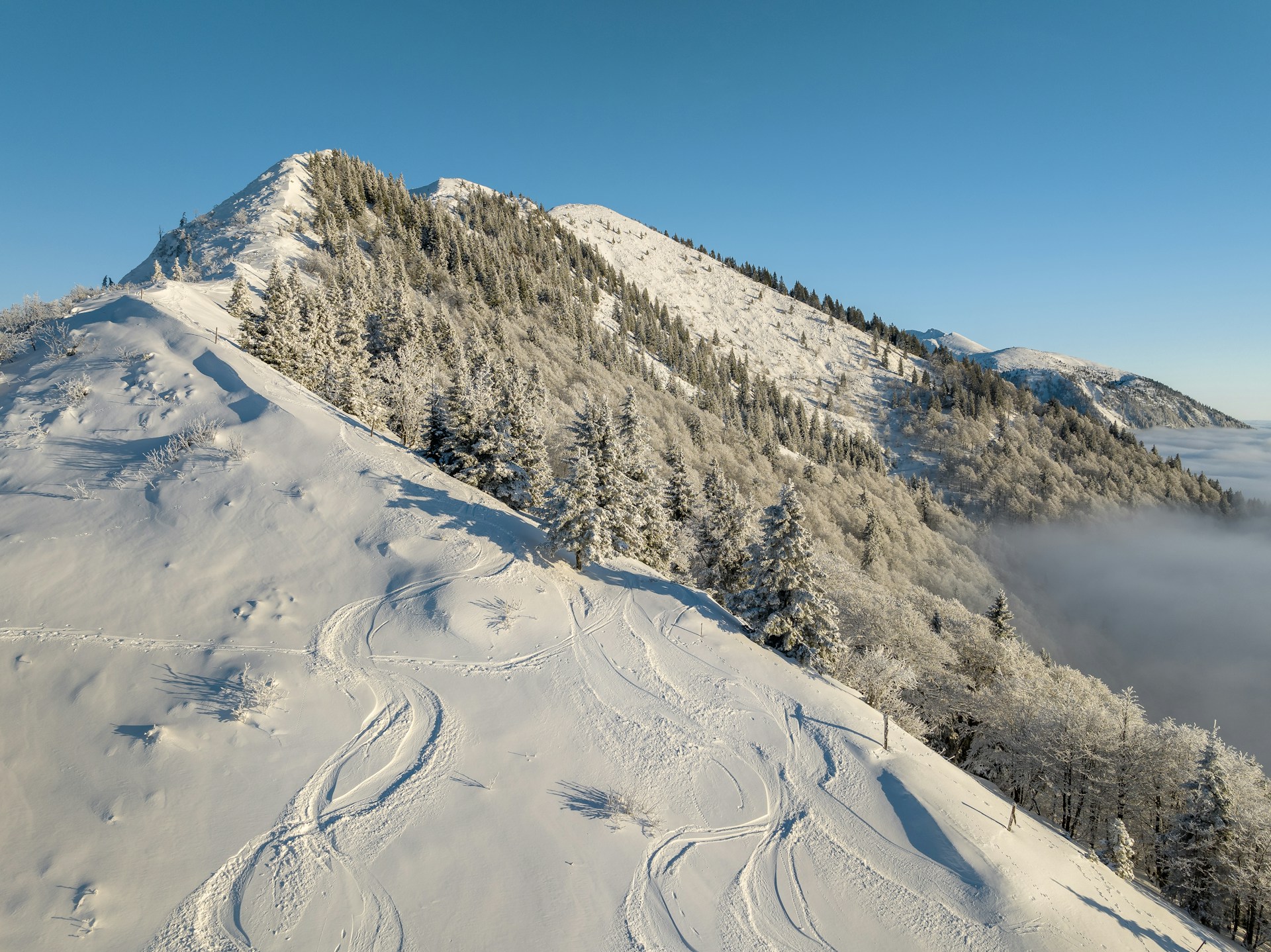
Avalanche hits Sierra ski region
Nine skiers were reported missing after an avalanche swept through California’s Sierra Nevada mountains, as rescue teams worked in hazardous...

Global Travel Boom Finds New Stars
More than 1.5 billion international tourists travelled abroad in 2025, setting the stage for a potentially record-breaking 2026 as global travel...

Zimbabwe Tourism Overhaul Reshapes Travel Plans
Zimbabwe has set a 28 February 2026 deadline for tourism operators to regularise their businesses under the country’s Tourism Act, marking a...