
Quiet luxury travel reshapes Mallorca experiences
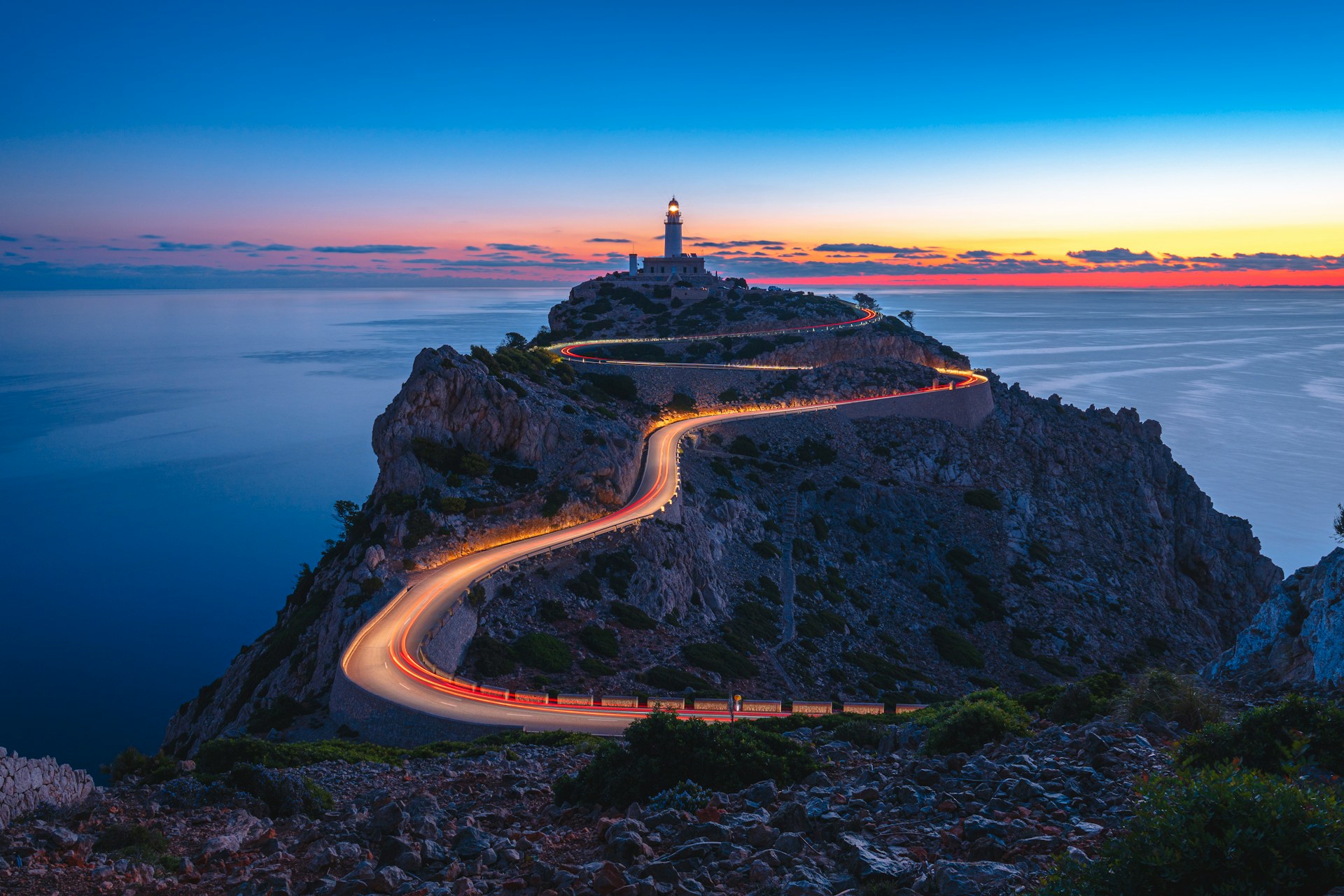
Mallorca is increasingly positioning itself as a destination for slower, more deliberate travel, as visitors seek quieter and more immersive alternatives to traditional high-volume tourism.
The shift reflects growing demand for “slow luxury”, a concept centred on privacy, local culture and extended stays rather than fast-paced itineraries. The island’s interior and less-developed regions are emerging as focal points, offering rural estates, boutique hotels and restored historic properties that prioritise tranquillity over scale. These locations contrast with the island’s more crowded coastal resorts, providing a different value proposition rooted in space and discretion.
Hospitality operators are adapting by emphasising design, heritage and a closer connection to the surrounding landscape. Many properties are situated within converted fincas or historic estates, blending traditional architecture with contemporary comfort. The approach often integrates local materials, regional cuisine and curated experiences that encourage longer stays and deeper engagement with the destination. This reflects a broader repositioning of Mallorca as a place for reflective travel rather than short-term leisure consumption.
Geography plays a central role in shaping this model. The island’s inland plains, vineyards and mountainous terrain provide a natural backdrop for low-density development, allowing hotels to offer seclusion while remaining within reach of Palma and other transport links. Such settings enable operators to differentiate through exclusivity and environmental integration rather than scale or entertainment offerings.
This evolution also aligns with wider changes in international travel preferences, where authenticity and personalisation are increasingly prioritised. Visitors are seeking experiences that emphasise local identity, from food and culture to landscape and design, rather than standardised hospitality formats.
Despite this repositioning, the balance between growth and preservation remains unresolved. As more properties adopt the slow luxury model, questions persist over how the island can maintain its distinct character while accommodating rising demand for high-end, low-density travel experiences.