
Rabat Emerges As Morocco’s Quiet Alternative
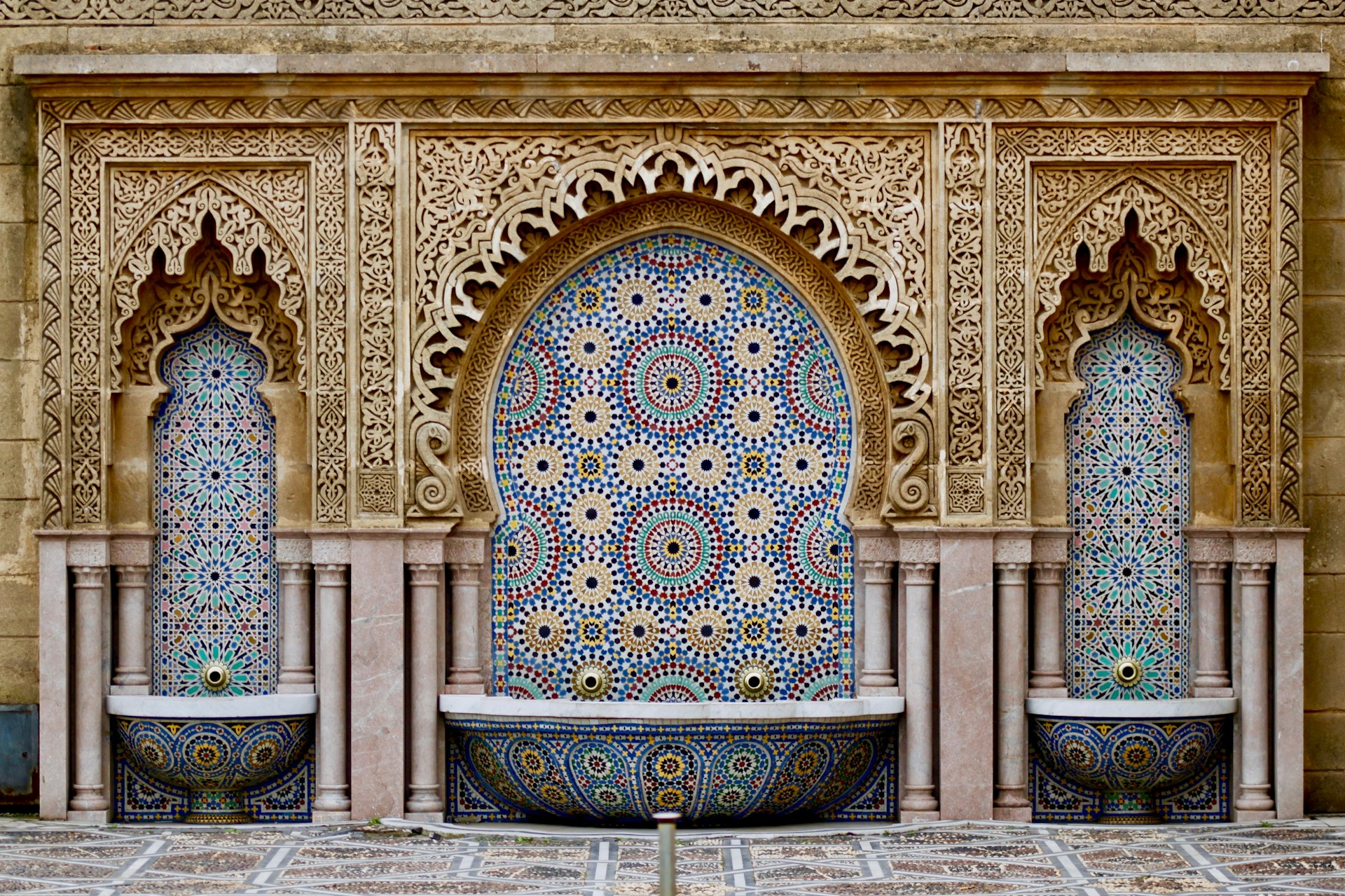
Morocco’s tourism sector is expanding quickly, but Rabat remains notably outside the main surge, offering a calmer proposition than the country’s most heavily visited destinations. That contrast is becoming increasingly significant as Morocco pursues higher visitor volumes while some travellers look for cities that combine cultural depth, accessibility and a less crowded urban experience.
The national backdrop is strong. Morocco set a goal in 2023 of doubling international visitor numbers to 26 million by 2030, when it will co-host the FIFA World Cup, and in 2025 the country received nearly 20 million visitors. Yet the gains have not been evenly distributed. Marrakesh recorded a 40% year-on-year rise in overnight stays, while Rabat’s visitor numbers remained relatively flat at 3%. That divergence is notable given Rabat’s position as Morocco’s political and cultural capital, and suggests that the city has not yet translated its institutional importance into the same tourism momentum seen elsewhere.
What Rabat offers is distinct rather than underdeveloped. Its old medina is described as clean, quiet and manageable, without the dense congestion, aggressive selling or disorienting alleyways often associated with more famous Moroccan urban centres. The city’s historical layering also broadens its appeal, from the Chellah necropolis and the Kasbah of the Udayas to the Hassan Tower, the Mausoleum of Mohammed V and the Mohammed VI Museum of Modern and Contemporary Art. The French colonial-era urban plan, which preserved the medina while adding a European-style new city with broad boulevards and communal gardens, further sets Rabat apart within Morocco’s urban tourism landscape.
Rabat also enters 2026 with a potentially important cultural catalyst. Unesco named it the 2026 World Book Capital in late 2025, recognising its literary heritage, publishing presence, historic libraries and independent bookshops. A year-long programme of readings, workshops and other events is due to begin around the city’s International Book Fair in May. At the same time, better transport links and new luxury hotel openings are making the city easier to access and stay in. The unresolved point is whether those advantages will materially raise visitor volumes, or whether Rabat’s appeal will remain tied to its slower pace and relative distance from Morocco’s mass-tourism circuit.