
Jet fuel surge threatens global airfare rises
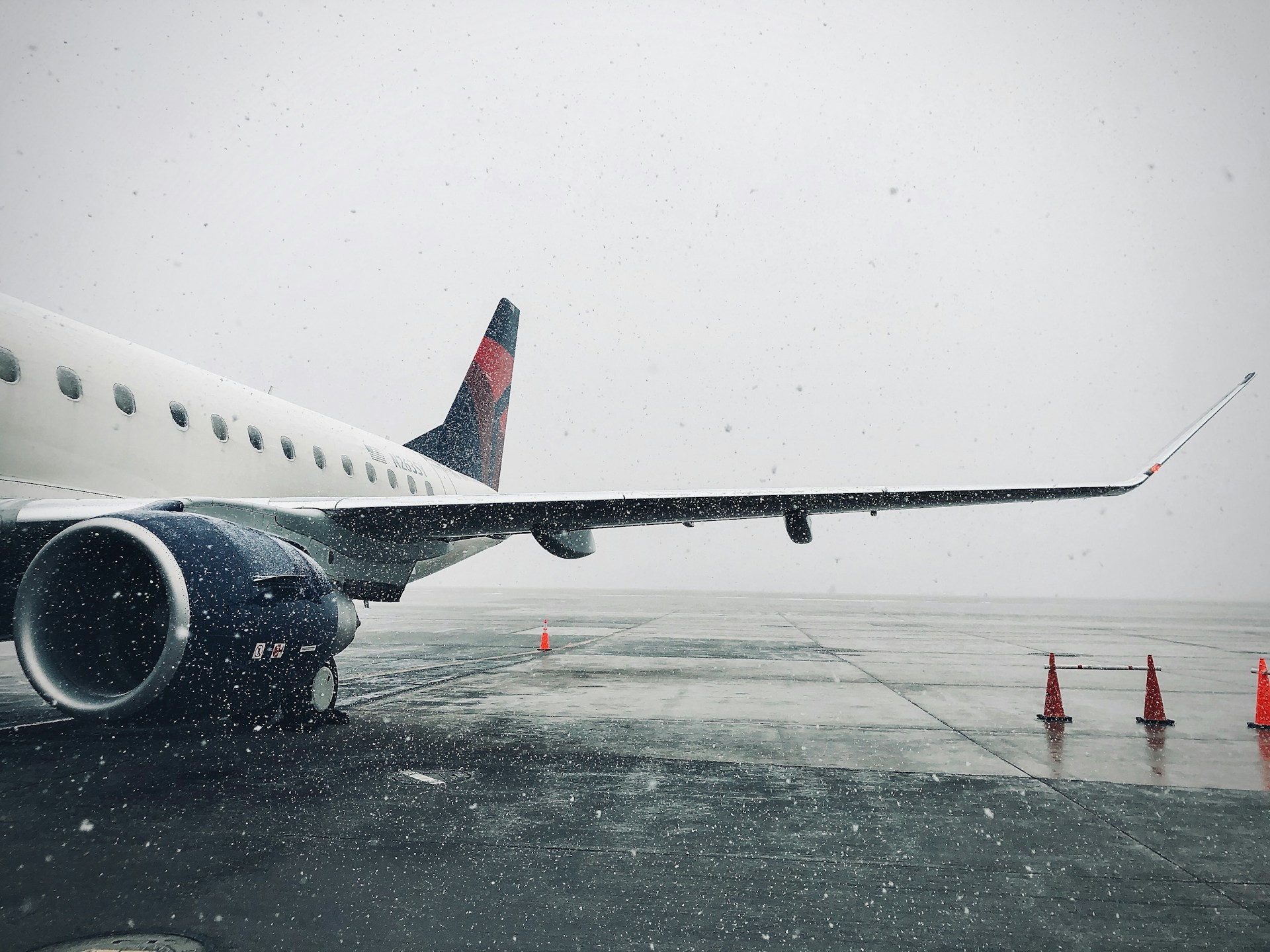
International travellers may soon face higher ticket prices as a sharp rise in aviation fuel costs ripples through the airline industry following disruptions linked to the conflict in Iran.
Oil markets experienced sudden volatility after tensions in the region intensified, briefly pushing Brent crude to $119.50 a barrel before prices retreated to around $92. The effect on aviation fuel has been even more pronounced. According to the International Air Transport Association, the global average price of jet fuel surged 58.4 per cent week on week to $157.41 a barrel, far exceeding the $88 average the industry had expected for 2026.
Part of the disruption stems from constrained oil flows through the Strait of Hormuz, a critical maritime corridor between Oman and Iran that normally carries roughly one fifth of the world’s oil supply. Tanker traffic through the waterway has dropped sharply, tightening fuel availability and increasing price pressure across global energy markets. The situation is particularly significant for Europe, where between 25 and 30 per cent of jet fuel is sourced from the Gulf region.
Airlines are already beginning to respond. Qantas has announced fare increases on international routes, while Scandinavian carrier SAS has introduced what it described as a temporary pricing adjustment. Air New Zealand has also raised fares across several services, adding NZ$10 on domestic flights, NZ$20 on short haul international routes and NZ$90 on long haul journeys. Hong Kong Airlines has increased fuel surcharges by as much as 35.2 per cent.
Fuel costs typically represent about a quarter of airline operating expenses, leaving carriers highly sensitive to sudden increases. The industry’s average net profit margin is forecast at just 3.7 per cent this year, equivalent to roughly $7.20 earned per passenger per flight segment. With such narrow margins, airlines often pass higher energy costs through to travellers.
Some carriers are partially shielded through fuel hedging strategies that lock in prices months in advance. Air France-KLM has hedged about 87 per cent of its fuel exposure for the coming year, while Qantas and Ryanair have hedged more than 80 per cent of their near-term requirements. Others remain far more exposed, including SAS, which has no fuel hedged for the next 12 months.
At the same time, airspace disruptions across parts of the Middle East have forced airlines to reroute flights between Europe and Asia along longer paths that burn additional fuel. Analysts say these combined pressures could translate into noticeable price increases for long haul international journeys in the months ahead.