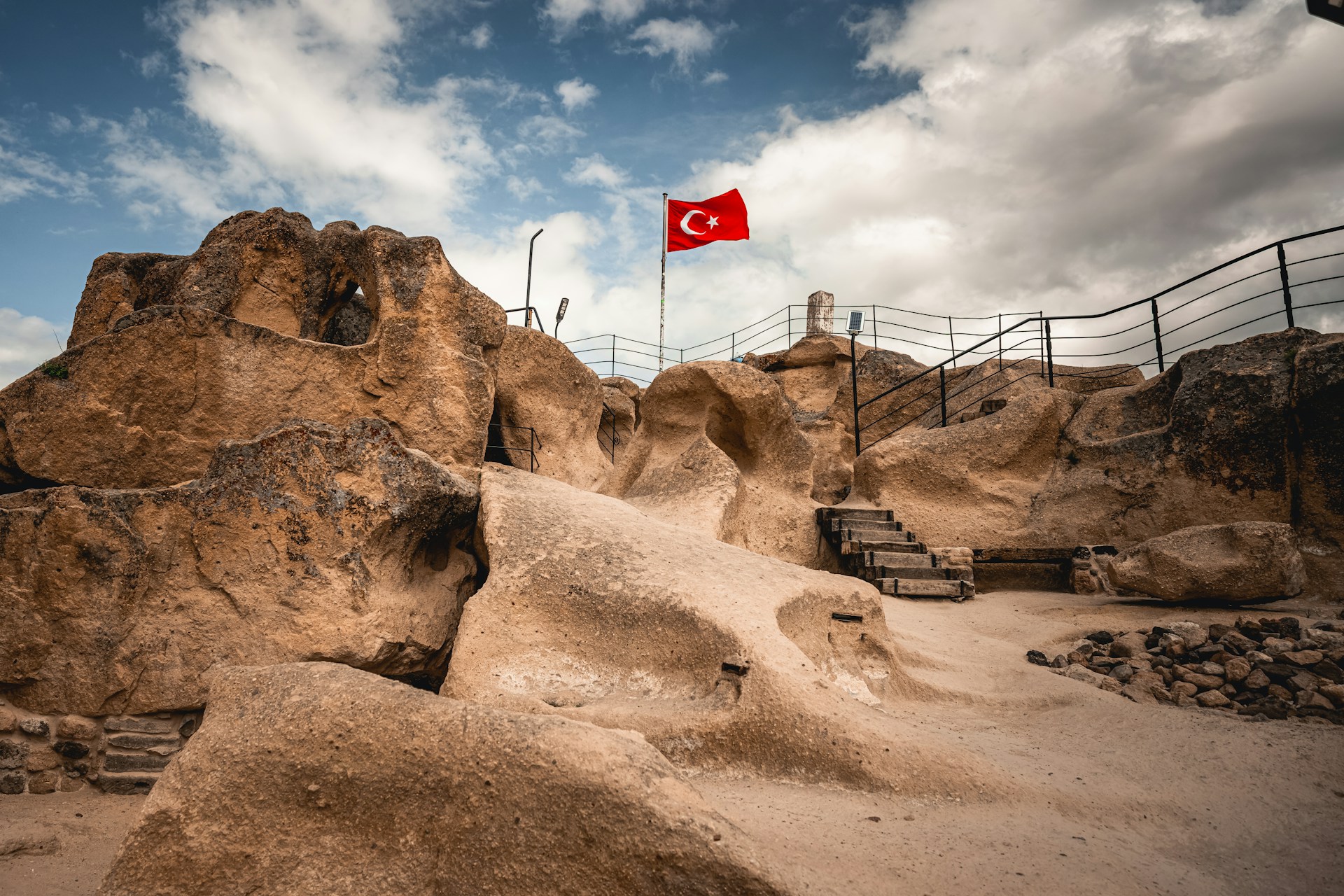
Recent archaeological discoveries in southeast Turkey are reshaping understanding of early human society and raising fresh interest among history-focused travellers. Excavations near Göbekli Tepe and Karahantepe – part of the region’s “Stone Mounds” project – have unearthed dozens of artefacts and structures dating back more than 11,000 years, offering what experts call a new view of humanity’s leap from hunter-gatherer lifestyles to settled communities.
Among the newly revealed items are human and animal statues, figurines, vessels, beads and a striking human statue showing a mourning expression – a rare insight into symbolic funerary or ritual practices of early Neolithic communities. The excavations also uncovered monumental oval structures with T-shaped limestone pillars sometimes carved with animal reliefs – an architectural style that predates conventional urban civilisation by millennia.
For international tourism, these finds reinforce southeastern Turkey’s appeal as a cradle of early civilisation, offering visitors a tangible connection to prehistoric humanity. As heritage planners highlight the significance of the sites, the region could attract history and culture-driven travellers seeking immersive experiences in ancient landscapes – especially if conservation, presentation and visitor access are balanced sustainably.
Still, the long-term challenge remains in preserving these fragile sites while opening them to tourism: ensuring visitor access does not compromise archaeological integrity. The deeper question is whether this new wave of discoveries prompts a broader rethinking of global cultural-heritage tourism – one that values not only iconic medieval or classical monuments, but the far older roots of human civilisation.