
Tokyo Draws A Line Around Local Life
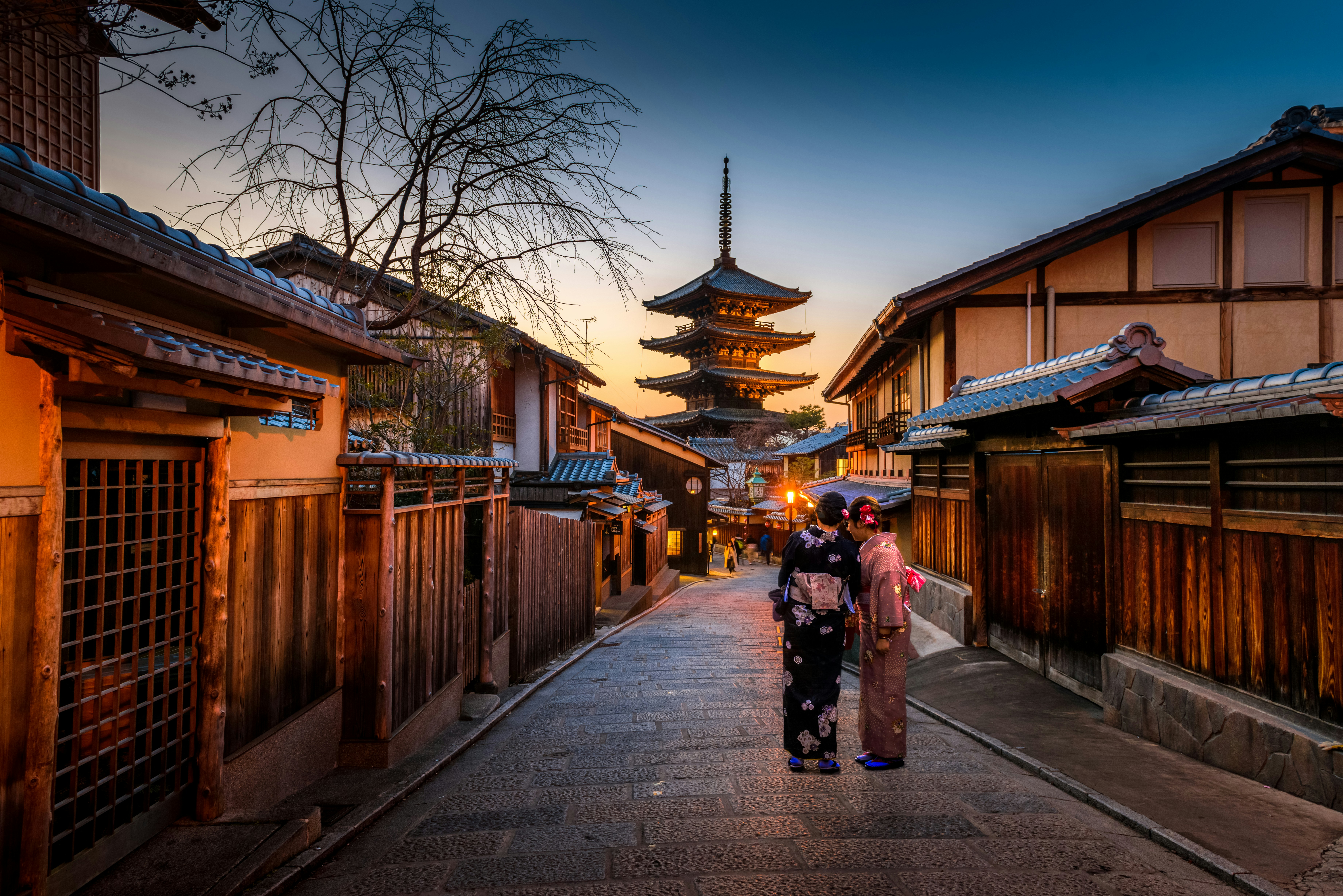
Tokyo’s Shinjuku ward is preparing to restrict short-term visitor accommodation, in the latest sign that Japan’s tourism boom is forcing popular destinations to rethink how much pressure local communities can absorb.
The proposed ordinance would prevent visitors from using private lodgings in residential areas and near schools and important cultural sites. Shinjuku, home to Kabukicho and the world’s busiest railway station, has 3,775 private lodgings, known as minpaku, the highest number anywhere in Japan.
The move follows more than 1,300 resident complaints in the year to March. Many centred on noise, improper rubbish disposal, smoking in banned areas and trespassing. Officials believe the measure could affect about 2,000 lodgings, nearly half of Shinjuku’s total, while also reducing the annual rental limit for residential-area minpaku from 180 days to 120.
The issue reaches beyond Tokyo. Kyoto already limits short-term rentals in residential areas to 60 days a year during the off-peak season, while destinations near Mount Fuji have introduced climbing fees, visitor caps and event cancellations to manage overcrowding.
Japan welcomed a record 42 million visitors last year, with spending reaching ¥9.5 trillion. The government wants 60 million visitors by 2030, but that ambition is colliding with concerns over “tourism pollution”.
For travellers, Shinjuku’s decision carries a wider message. Japan is not closing its doors, but it is asking visitors to enter more carefully. The future of travel in its most loved neighbourhoods may depend on whether discovery can coexist with ordinary life.