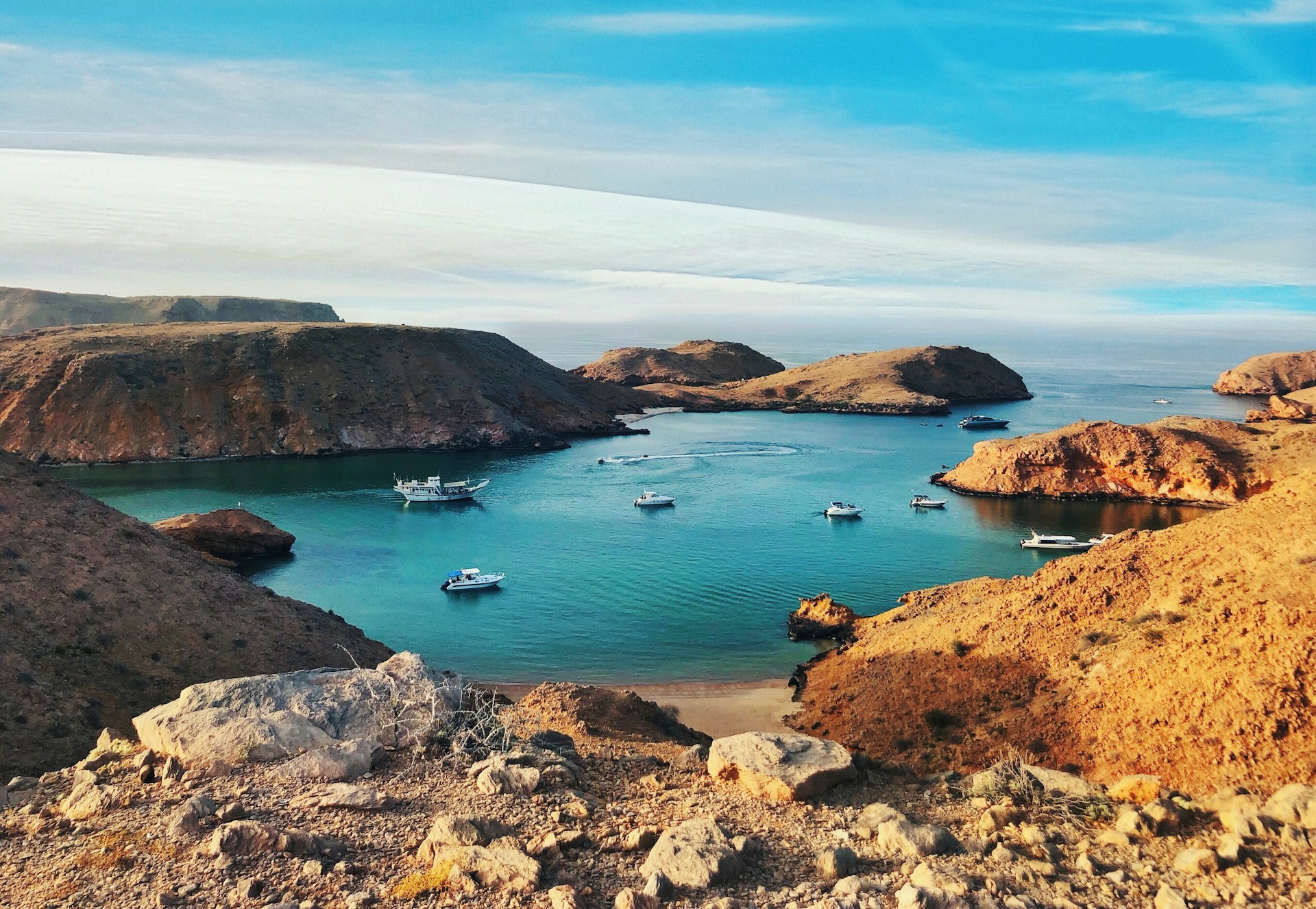
Oman is consolidating its status as a leading travel destination within the Gulf Cooperation Council, supported by rising visitor numbers and targeted government strategy. Recent projections and official data indicate sustained momentum in both international and domestic tourism.
A report from the World Travel and Tourism Council estimates that Oman will host 3.5 million international visitors this year, with a further 10% increase expected next year, generating 2.1 million Omani rials in revenue. Separate data from the Ministry of Heritage and Tourism show that international arrivals reached 3.9 million in 2025, reflecting renewed global confidence in the Sultanate as a destination.
Tourism development forms a central component of Oman’s Vision 2040 programme, which aims to diversify the national economy. Authorities have prioritised infrastructure expansion, investment incentives and the promotion of the country’s environmental and cultural heritage. Sustainable tourism has been emphasised, with policymakers seeking to balance visitor growth with environmental protection and high-quality experiences rather than pursuing volume alone.
Efforts are also focused on diversifying source markets and strengthening domestic tourism. Projections suggest domestic travel could exceed 14 million trips in 2025, supported by seasonal events and promotional campaigns. The Oman Chamber of Commerce and Industry has noted that this domestic surge is benefiting small and medium-sized enterprises across accommodation, transport, hospitality and traditional crafts, particularly in governorates beyond Muscat such as Al Dakhiliyah.
The sector’s expansion is contributing to broader economic development, generating employment and encouraging private investment in hotels, restaurants and complementary services. Looking ahead, industry stakeholders have highlighted the need to increase per capita spending and extend visitor stays through high-value segments such as luxury, eco-tourism and wellness. Oman’s evolving tourism model, centred on sustainability and diversified offerings, is positioning the country as a competitive and increasingly influential destination in the regional travel market.