
Morocco Turns Digital Tourism Into Advantage
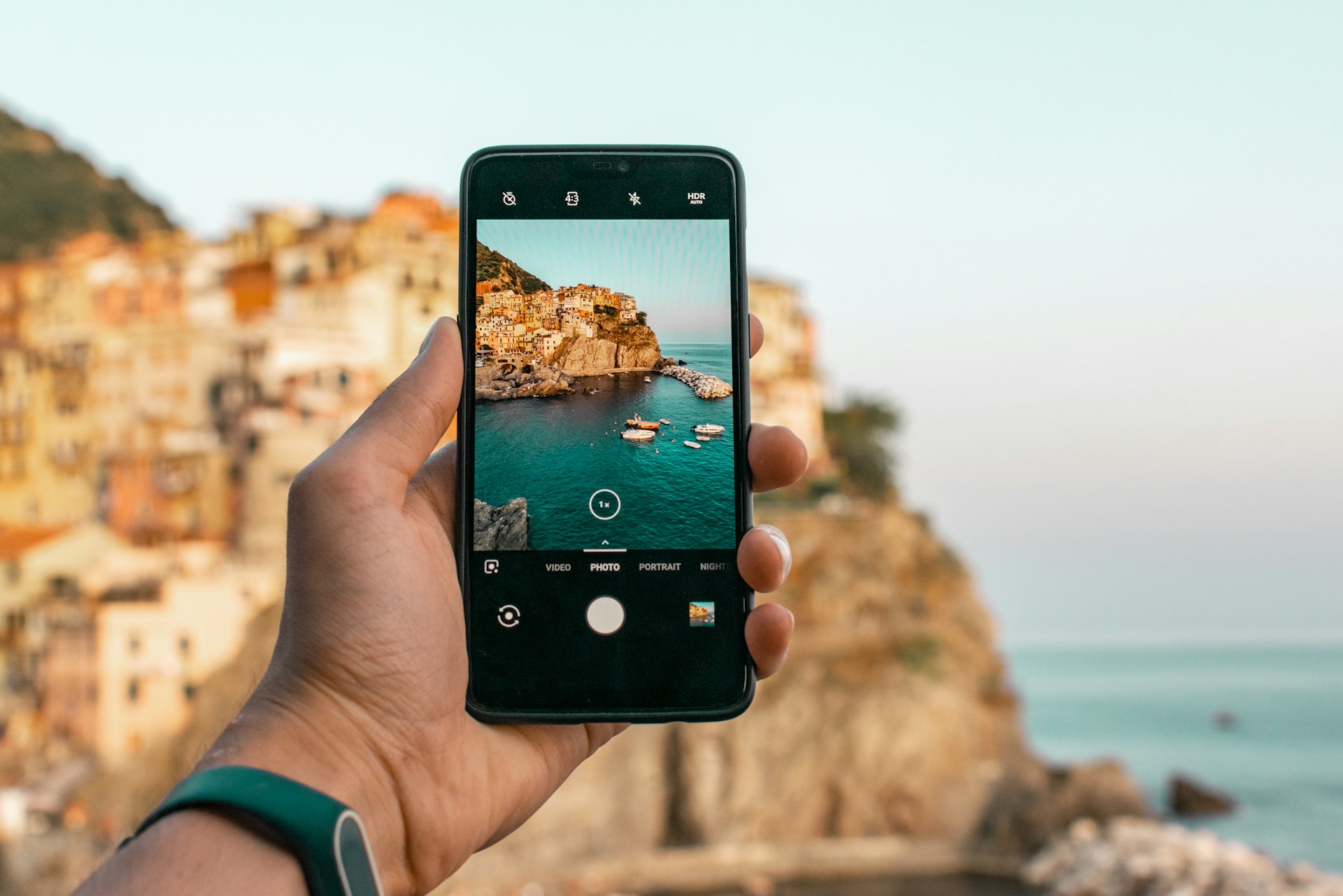
Morocco’s tourism industry is placing digitalisation at the centre of its next growth phase, as the country looks to convert rising visitor numbers into a more durable competitive position. After welcoming 17.4 million visitors in 2024, the Kingdom reached 19.8 million arrivals in 2025, strengthening its position among the Mediterranean basin’s strongest-performing destinations.
The shift reflects more than a marketing upgrade. Morocco’s 2023–2026 tourism roadmap had already identified digital tools as a strategic lever, alongside targets of 17.5 million tourists, 120 billion dirhams in revenue and 200,000 new jobs by 2026. With several milestones reached ahead of schedule, the challenge is now to use technology to sustain momentum rather than simply celebrate growth.
Booking platforms have become a central storefront for hotels, riads, guesthouses and inbound agencies, allowing local operators to reach international travellers without relying solely on traditional overseas sales networks. In that environment, digital visibility is no longer a supporting function. It is becoming a measure of destination competitiveness.
Artificial intelligence adds a deeper layer to that transformation. Travellers can now use conversational tools to receive personalised recommendations, build itineraries and plan trips quickly, while hotels can use AI to manage pricing, anticipate demand and tailor offers based on visitor behaviour. Ahead of the 2030 World Cup, which Morocco will co-host with Spain and Portugal, smart systems could also help manage visitor flows, reduce waiting times and improve the overall experience.
The most valuable asset may be data. Every search, booking and review offers insight into traveller expectations, emerging markets and changing consumption patterns. For Morocco, digitalisation is therefore not just about modernising tourism services. It is about turning growth into intelligence, and intelligence into a stronger claim on the future of global travel.