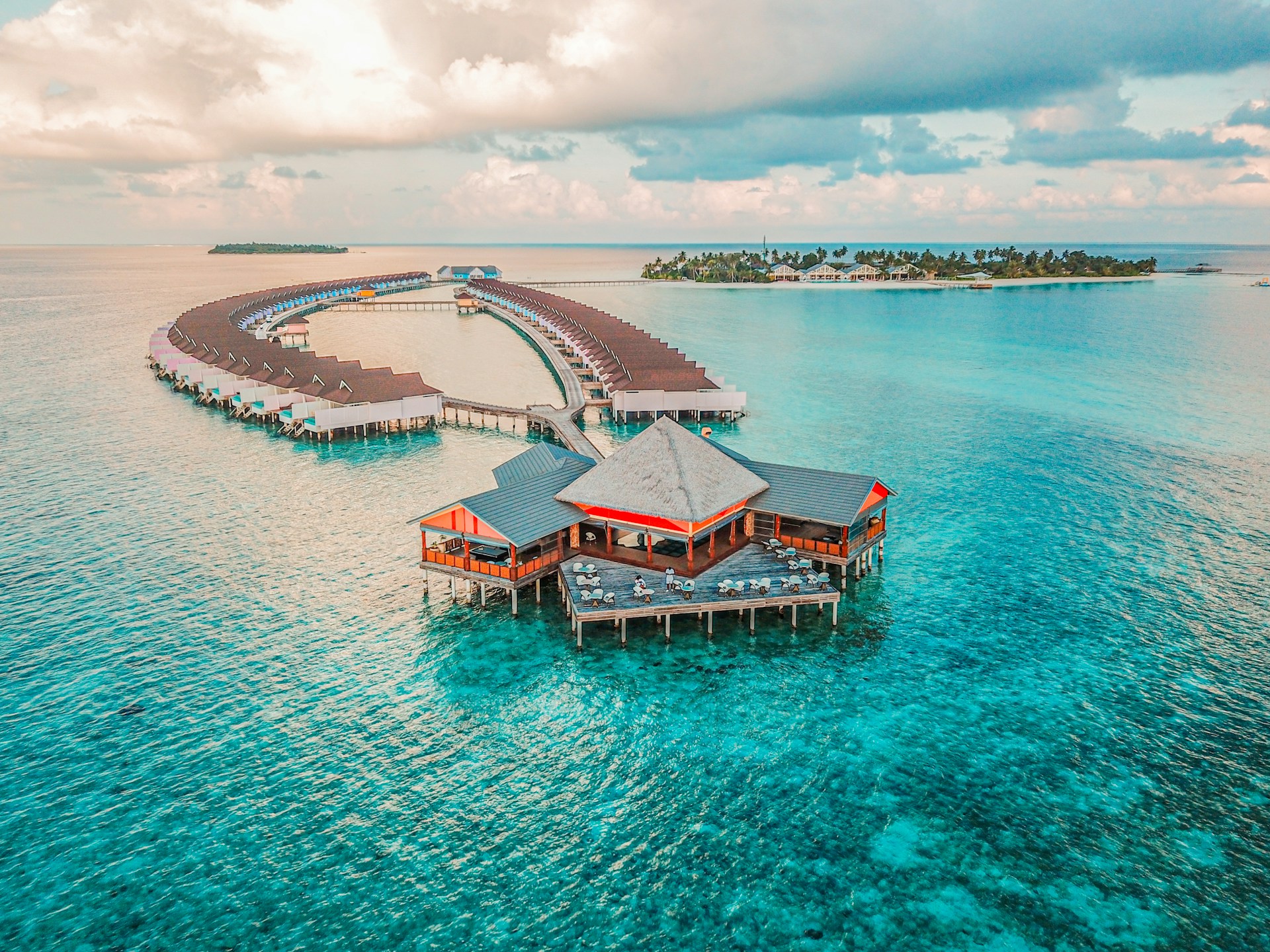
The Maldives – long a byword for luxury resorts and exclusive getaways – is becoming significantly more affordable, opening its turquoise lagoons and white-sand beaches to a much broader range of travellers. Changes in tourism policy and a growing network of budget-friendly guesthouses on inhabited islands have helped shift the country away from a high-end only model.
A key factor behind this shift is the decision, years ago, to allow local residents on inhabited islands to offer guesthouse accommodations. This has transformed the lodging landscape. Instead of relying solely on expensive private resorts, international visitors can now enjoy clean, comfortable guesthouses and simple hotels at a fraction of the previous cost. Rooms on islands such as Maafushi or Hulhumalé – formerly off-limits to tourists – often cost far less than even mid-range resorts, and the overall cost of a stay including meals and simple local travel has dropped significantly.
Transport costs have also become more manageable. Instead of expensive seaplane transfers or private speedboats, visitors can use public ferries for just a few dollars, connecting the capital to inhabited islands on regular schedules. This shift makes island-hopping viable for budget travellers, helping convert what was once a once-in-a-lifetime luxury into a reachable holiday option for many more people.
For tourists, the travel experience is no longer just about over-water villas and spa resorts. The new wave of tourism emphasises cultural exchange, local economy support and access to natural beauty in a more inclusive manner. Simple guesthouses, local food, ferry rides and snorkelling over coral reefs make for memorable holidays at a fraction of the cost of premium packages. As more accommodations join the budget-friendly ecosystem and infrastructure improves, the Maldives is steadily redefining itself as a destination where “tropical paradise” need not mean “expensive getaway.”
Still, this transition remains incomplete. While many inhabited islands now host visitor-ready guesthouses, some of the most iconic private-island resorts remain financially out of reach for average travellers. The challenge for the Maldives will be to maintain quality, preserve fragile ecosystems and balance tourism growth with affordability so that it continues to offer accessible paradise without sacrificing sustainability.