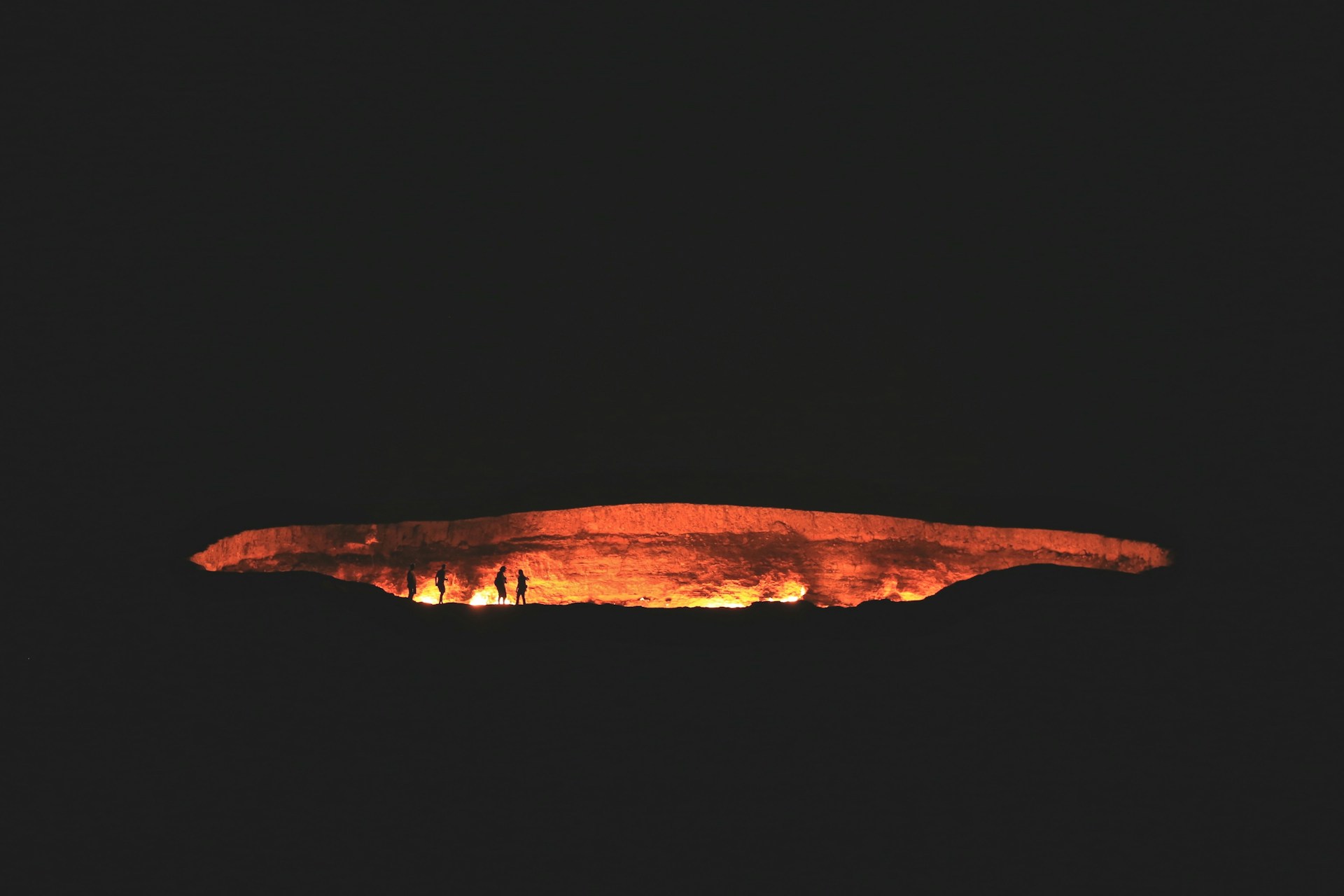
When the Kīlauea volcano on Hawaiʻi’s Big Island erupted yet again, producing a spectacular “volcanado” – a whirling vortex of ash, steam and molten rock – the moment captured more than geological fascination. It signalled a shift in how travel and tourism are shaped by raw, elemental spectacle.
Tourism often seeks the serene: calm seas, gentle sunsets, curated luxury. But Kīlauea’s latest display enters a different register entirely – one of immediacy, visceral power and the rare chance to witness nature operating at its rawest. For the visitors who flock to Hawaiʻi Volcanoes National Park, the draw is no longer simply a volcano in repose; it’s the possibility of eruptive theatre, unfolding live. The volcano remains contained within its summit crater and poses limited threat to infrastructure – yet the risk-framed experience is now an attraction.
From a tourism perspective, the implications are multi-layered. On one hand, the volcanic intensity reshapes the island’s marketing narrative: selling “once-in-a-lifetime” experiences, not just sunshine and sand. On the other, it demands heightened safety vigilance, infrastructure agility and clear communication – conditions that many destinations are still catching up to. The image of lava fountains piercing the night sky may draw thrill-seekers and shutterbugs, but it also creates logistical, environmental and ethical questions for local communities.
For Hawaiʻi, this eruption offers a recalibrated identity: the Big Island as not just relaxation venue but adventure frontier. It invites travellers to engage with nature at its limits — to listen for rumbles, trace the glow of molten flows, feel the alien landscape reshape beneath them. But it also invites responsibility: in how such tourism is managed, how visitors are protected and how local benefit is framed.
As the summit of Kīlauea continues its performance, tourism on Hawaiʻi must pivot. Hospitality providers, guides and policymakers will find that the viewing of eruption becomes part of the destination product. The question now is whether tourism infrastructure can match the acceleration of nature’s spectacle – offering access without commodifying risk, creating memory without undermining safety. In that tension lies the next chapter of volcano-driven travel.