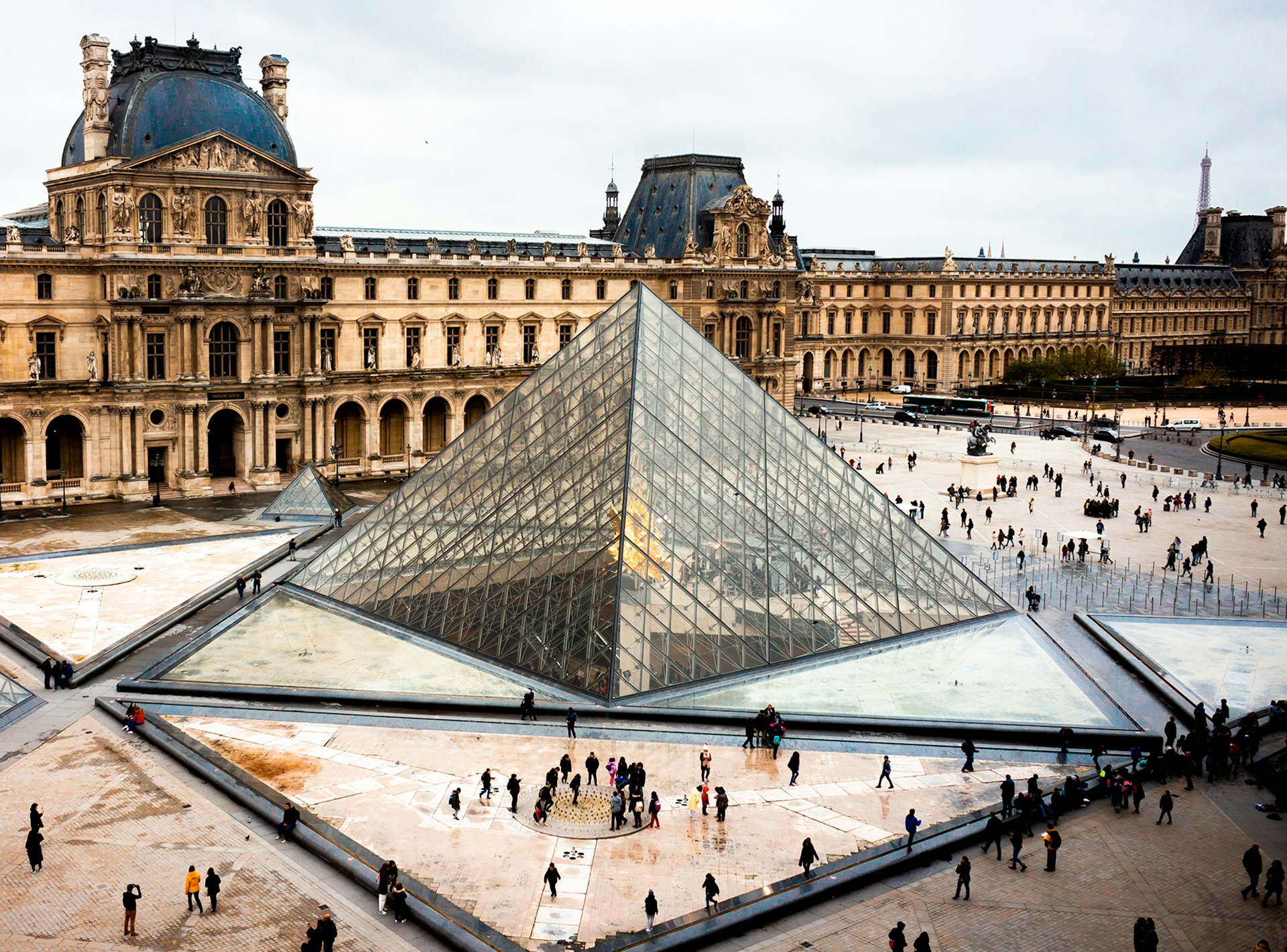
Four additional suspects have been arrested in connection with a daring jewellery heist at Louvre Museum in Paris, raising fresh questions about visitor safety and the integrity of one of the world’s top tourist destinations. One of the detained individuals is believed to be the fourth member of the gang that carried out the daylight robbery on 19 October, in which thieves made off with nearly $102 million worth of historic crown jewels from the museum’s Apollo Gallery.
The group’s method remains alarming for its simplicity and boldness: armed with a stolen freight lift and angle grinders, the thieves entered via an upstairs window, smashed display cases and fled on scooters – all in fewer than eight minutes. The fact that such a heist could occur during opening hours has prompted widespread scrutiny of the museum’s security protocols and sparked concern among potential visitors.
Despite the additional arrests, the precious jewels remain missing. Investigators have said that the loot may have been dismantled and dispersed – a sobering sign for prospects of recovery. Meanwhile, the museum’s reputation and France’s broader image as a safe travel destination have taken a hit, potentially affecting visitor confidence in high-profile cultural sites.
The investigation’s latest development highlights a broader risk: even iconic institutions with global recognition can become vulnerable if security remains outdated or under-resourced. For the international travel and tourism sector, this raises a deeper question – in an era of high mobility and cultural tourism – about how to balance accessibility with robust protection of heritage assets, without deterring visitors.