
Inside the Future of Heritage Hospitality at Down Hall
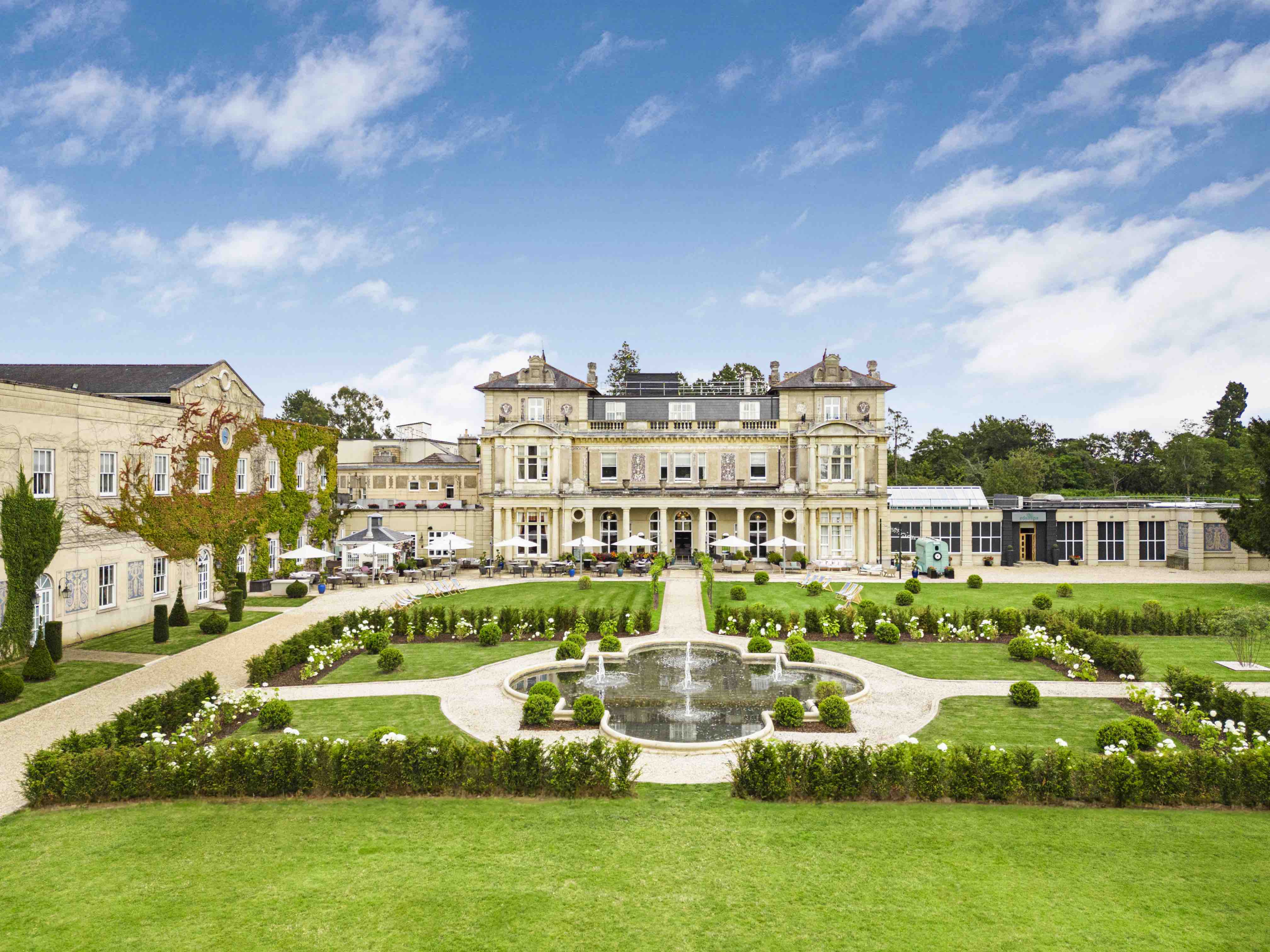
On the Hertfordshire and Essex border, where London’s outer rhythms begin to soften into woodland and open fields, the long approach to Down Hall still carries the quiet theatre expected of a country estate. The Italianate façade rises above parkland that has been shaped and reshaped across centuries, while the gardens and surrounding woodland frame a property that has steadily evolved alongside the landscape itself. Today the estate houses ninety eight bedrooms, two spas and a two AA Rosette restaurant, yet the atmosphere remains anchored in something older than hospitality trends. Down Hall Hotel, Spa & Estate is not presented as a museum piece of British heritage. Instead, it operates as a working estate that invites guests to inhabit its history rather than simply observe it.
Across Britain, many country house hotels face a more complex question than preservation alone. Historic properties must now sustain themselves within a hospitality market shaped by experiential travel, corporate retreat demand and the rapid growth of wellness tourism. The challenge lies in reconciling commercial diversification with the architectural and cultural integrity that makes these estates distinctive. Down Hall offers one response to that tension. Rather than treating heritage as a static asset, the estate has gradually repositioned itself as a living destination, where hospitality, events, gastronomy and wellbeing operate as interconnected parts of a broader estate experience.
Heritage Estates in a Changing Hospitality Economy
The traditional country house hotel once operated on a relatively contained economic model. Accommodation formed the commercial core, supported by afternoon tea, private dining and the occasional wedding or society event. For much of the twentieth century this structure provided a reliable rhythm, particularly for estates within reach of major cities. Guests arrived for short leisure stays, seasonal celebrations or quiet weekends in the countryside, and the property’s historical character carried much of the appeal.
That balance has gradually shifted. Heritage properties now operate in a hospitality landscape shaped by rising operational costs, heightened guest expectations and the expanding influence of experiential travel. Visitors increasingly look beyond architectural charm or pastoral tranquillity. Wellness, gastronomy and outdoor experiences now sit alongside accommodation as essential parts of the modern hospitality offer.
Down Hall’s evolution reflects this broader recalibration. Rather than relying primarily on overnight guests, the estate has steadily expanded the ways visitors engage with its 110 acres. Weddings, corporate gatherings, wellness retreats and outdoor cultural events now form part of a diversified commercial structure that keeps the estate active throughout the year.
This approach allows the property to operate less as a static destination and more as a living estate where different forms of hospitality coexist. A guest arriving for a quiet midweek spa visit may share the grounds with a corporate retreat, while another part of the property prepares for a weekend wedding celebration. Rather than competing with one another, these experiences create a rhythm that sustains the estate across seasons.
Building a Destination Beyond the Hotel
The scale of Down Hall’s grounds plays a defining role in this diversification. Spread across woodland, gardens and open parkland, the estate provides a spatial flexibility rarely available to urban hotels or smaller country properties. The landscape allows events to unfold across interior rooms, terraces and gardens, creating experiences that feel connected to the setting rather than confined to a building.
Weddings remain one of the estate’s most visible pillars. Couples increasingly seek venues that combine architectural character with the freedom to shape celebrations that extend beyond formal reception spaces. At Down Hall, ceremonies and receptions can move naturally between interior rooms and landscaped gardens, allowing the estate itself to become part of the occasion.
Corporate retreats represent another important dimension of the estate’s programming. As organisations place greater emphasis on collaboration and strategic reflection, many seek environments removed from the pace of city offices. The grounds at Down Hall provide both the privacy and space required for these gatherings, allowing meetings and discussions to unfold within surroundings that encourage focus.
Alongside private events, the estate also welcomes a broader audience through public gatherings such as Live from the Lawn. These outdoor performances introduce a different rhythm to the calendar, inviting visitors to experience the estate in a more relaxed and sociable way while strengthening its presence as a regional cultural destination.
Service Culture and the Human Dimension of Luxury
Operating an estate that accommodates such varied experiences places considerable demands on the people who run it. A single weekend may involve spa guests seeking quiet restoration, couples arriving for wedding preparations and corporate teams gathering for strategy sessions. Each setting carries its own expectations, yet the overall atmosphere must remain consistent.
Down Hall approaches this challenge through a service culture that emphasises adaptability and personality. Staff are encouraged to see themselves not simply as employees performing defined roles, but as hosts responsible for shaping the tone of the estate. This allows service to remain attentive while avoiding the stiffness sometimes associated with traditional country house hospitality.
Recruitment reflects this philosophy. Candidates are often chosen for their agility and emotional awareness as much as their technical training. Working across a large estate requires the ability to move comfortably between environments, whether assisting spa guests during a quiet morning or helping coordinate a large wedding reception later in the day.
Over time this flexibility produces a style of service that feels notably personal. Guests encounter staff who respond naturally to the context of each visit rather than following rigid scripts. In a property built around the idea of living heritage, that human presence becomes central to how the estate is experienced.
The Future of Living Heritage
The estate’s recent recognition as AA Hotel of the Year for England in 2024, followed by the achievement of AA Four Red Star status in 2025, reflects how far this transformation has progressed. These accolades arrive alongside a series of developments that suggest Down Hall’s evolution is still very much underway. Among the most visible is the forthcoming Charles Garden, a half acre outdoor ceremony space designed to host up to 180 guests within a landscaped setting that includes decorative archways and a horsebox bar. The project illustrates how the estate continues to adapt its grounds in ways that support contemporary celebrations while respecting the character of the landscape.
At the same time, wellness is becoming an increasingly central dimension of the property’s identity. A new partnership with TEMPLESPA at the Eden Spa, alongside the introduction of the Barn Spa in collaboration with Bramley, expands the estate’s focus on nature connected wellbeing. These initiatives sit alongside quieter long term commitments, including a five year woodland management programme and the continued development of the estate’s kitchen garden and apiary, which support the restaurant’s estate to plate approach.
Together these elements illustrate a broader philosophy that might best be described as living heritage. Down Hall’s value does not lie solely in the preservation of a fourteenth century estate, but in its continued ability to host contemporary life within that setting. Weddings, retreats, concerts and quiet spa visits unfold across the same landscape that has framed the property for centuries. In that sense the estate’s most significant achievement may be its refusal to stand still. By allowing the property to evolve while remaining attentive to its history, Down Hall continues to demonstrate how heritage hospitality can remain both commercially viable and culturally resonant.