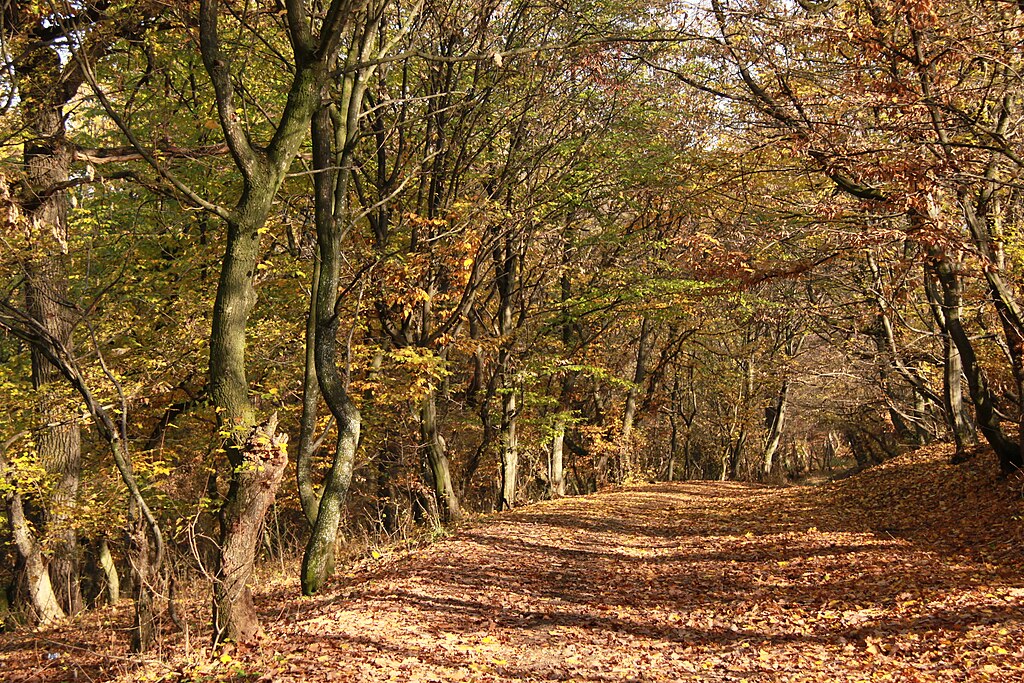
Hoia-Baciu Forest in Transylvania, Romania, has grown into an enigmatic tourism destination known for its paranormal legends and unique natural features that draw visitors from across the globe. Situated just west of Cluj-Napoca, the woodland’s reputation for mysterious phenomena has elevated its profile in dark and experiential tourism circles.
The forest, covering roughly three square kilometres of mixed native woodland, attracts travellers seeking experiences beyond conventional sightseeing. Its dense tree formations, some twisted into unusual shapes, and a near-perfect circular clearing with no mature trees have become signature sights for visitors and tour operators alike. Sightings of unexplained lights and tales of UFO encounters, including a famous 1968 photograph of an alleged unidentified flying object above the clearing, have stoked interest among paranormal enthusiasts and adventure tourists.
Tourism offerings around Hoia-Baciu have diversified in response to growing demand. Guided tours range from daytime nature walks focusing on the forest’s ecology and bizarre vegetation to night excursions incorporating paranormal investigation tools such as electromagnetic field meters and infrared cameras. Some operators also include adventure-oriented activities like overnight camping or folklore storytelling, blending the forest’s eerie lore with immersive travel experiences.
The forest’s proximity to Cluj-Napoca, a vibrant university city with good transport links, enhances its appeal as a half-day or full-day trip for international visitors. Those drawn by haunting legends often simultaneously explore regional attractions in Transylvania, contributing to broader tourism circuits that emphasise folklore, history and natural beauty.
Despite its allure, Hoia-Baciu’s blend of myth and landscape raises questions about sustainable tourism management. Balancing visitor interest in its paranormal reputation with conservation of fragile woodland ecosystems remains unresolved, as ongoing urban expansion and increasing footfall present challenges for local planners and tour operators alike.