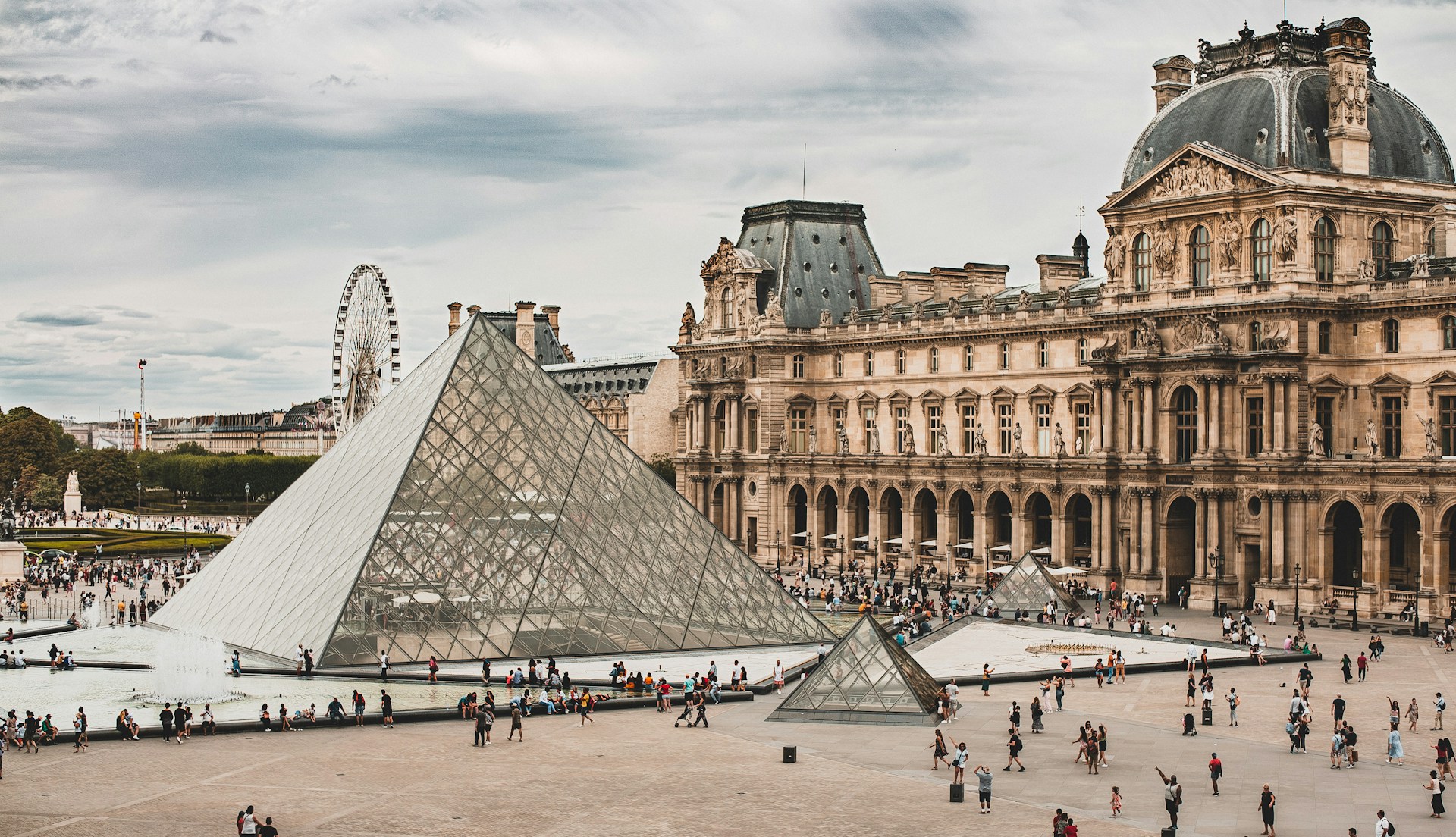
The recent break-in at the Musée du Louvre may read like pure crime drama, but it’s a revealing signal for sectors built around global mobility, experiences and destination economy. Within hours of the theft, law-enforcement agencies alerted counterparts in Antwerp – historic centre of the diamond and jewellery trade – pointing to how illicit supply chains exploit obvious nodes in tourism and luxury ecosystems.
In Antwerp, authorities found a complex overlap between legitimate retailers and underground networks that traffic in stolen gems, gold and high-value artefacts. Some jewellery shops are apparently acting as fences, processing looted items via melting, recutting or concealment. For businesses that depend on global circulation of visitors, assets and commerce, this under-surface activity underscores how fragile trust and infrastructure can become when international flows are taken for granted.
For operators and strategists, a few key implications immediately emerge. First, security and provenance matter more than ever: destinations and brands offering “authentic” experiences must acknowledge that asset integrity, regulatory frameworks and supply-chain transparency are becoming part of their value proposition. Second, the convergence of tourism, luxury and illicit trade means that disruptions in one domain – such as borders, customs, enforcement or crime-flows – can ripple into visitor sentiment and regional brand equity. Third, destinations that host high-value tourism (luxury retail, cultural museums, heritage tours) must update risk-assessment models to treat hidden-economy linkages as business-critical.
In sum: the narrative around a museum heist is fundamentally about experience infrastructure and the ecosystems that surround it. For leaders unlocking destinations and immersive commerce, the equation now goes beyond architecture and storytelling; it includes global flows of goods, governance of supply-chains and the unseen networks that either support or erode destination credibility.