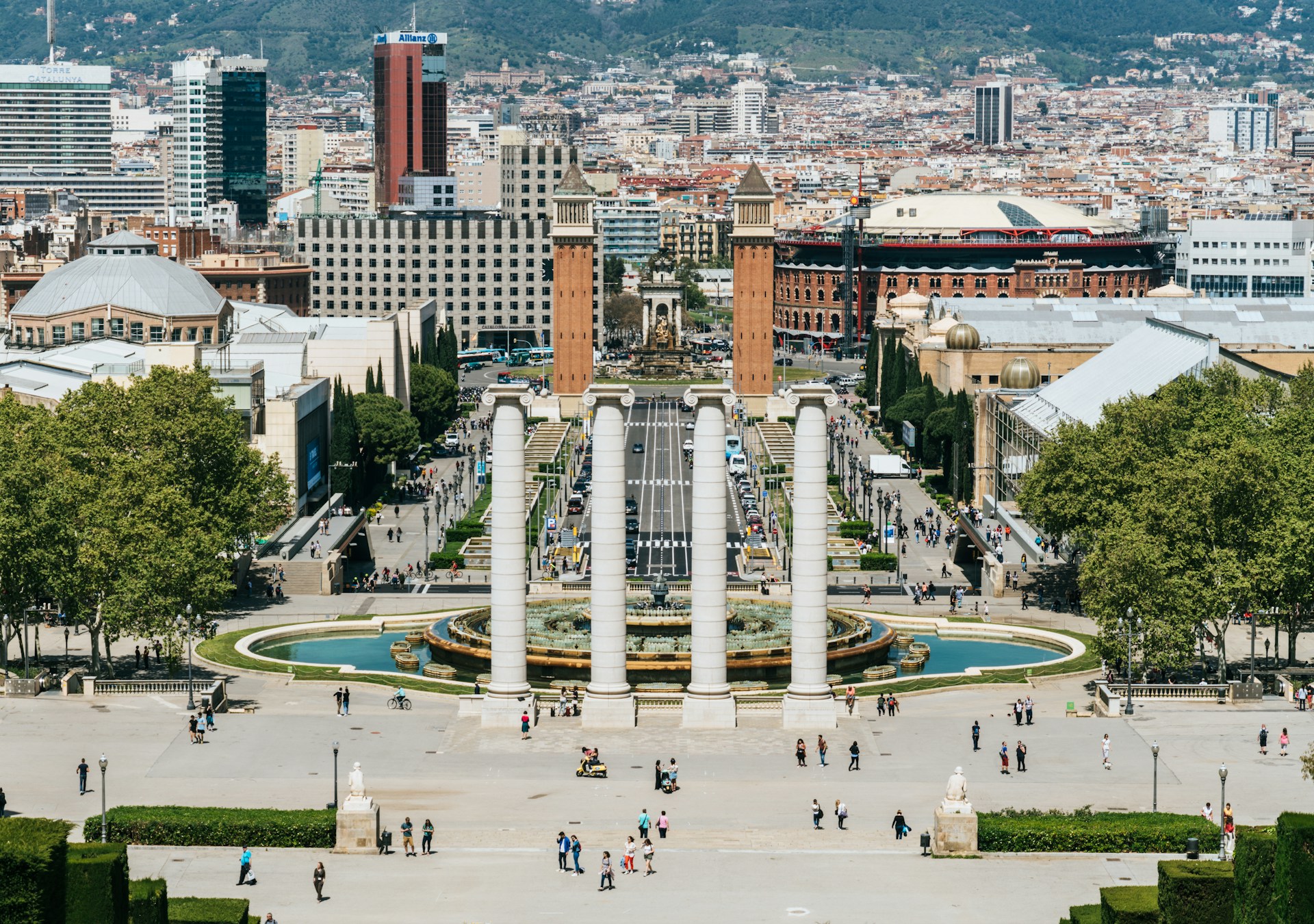
Across Europe, a growing number of cities are turning their frustration into public action, as Barcelona joins Paris, Athens, Rome and others in widespread anti-tourism protests. What began as isolated dissent has evolved into a collective call to rethink how tourism operates within urban life. Behind the chants and banners lies a message that is both economic and emotional: the industry built on hospitality is now being challenged to respect its hosts.
For residents, the strain has become tangible. Housing affordability continues to erode as short-term rentals outbid locals, essential services are overstretched, and city centres risk becoming cultural showrooms rather than lived spaces. This growing resentment marks a turning point for urban travel economies once celebrated for their visitor numbers but now burdened by their success. The protests are not anti-travel; they are anti-imbalance.
For governments and industry leaders, the implication is profound. Future tourism strategies must move beyond counting arrivals to assessing impact – on infrastructure, affordability, and cultural identity. Cities need to pivot from expansion to equilibrium, investing in models that favour longer stays, seasonal balance, and local engagement over volume-driven growth.
In truth, Europe’s unrest is not a rejection of tourism but a plea for its renewal. The cities that respond wisely – balancing prosperity with preservation – will define the next era of travel. The destination of the future will not just be visited; it will be lived in harmony with those who call it home.