
Egypt Seeks Longer Stays, Higher Spending
Egypt is shifting its tourism strategy towards attracting higher-spending visitors and encouraging longer holidays, targeting annual tourism revenue of up to $40 billion by 2030.
The Egyptian Tourism Authority wants receipts to reach between $36 billion and $40 billion, compared with an estimated $18.6 billion in 2026. The strategy follows continued growth in international arrivals, with 14.4 million visitors recorded during the first nine months of this year, a 4% increase from the corresponding period in 2025. Authorities are also working towards attracting 30 million visitors annually by the end of the decade.
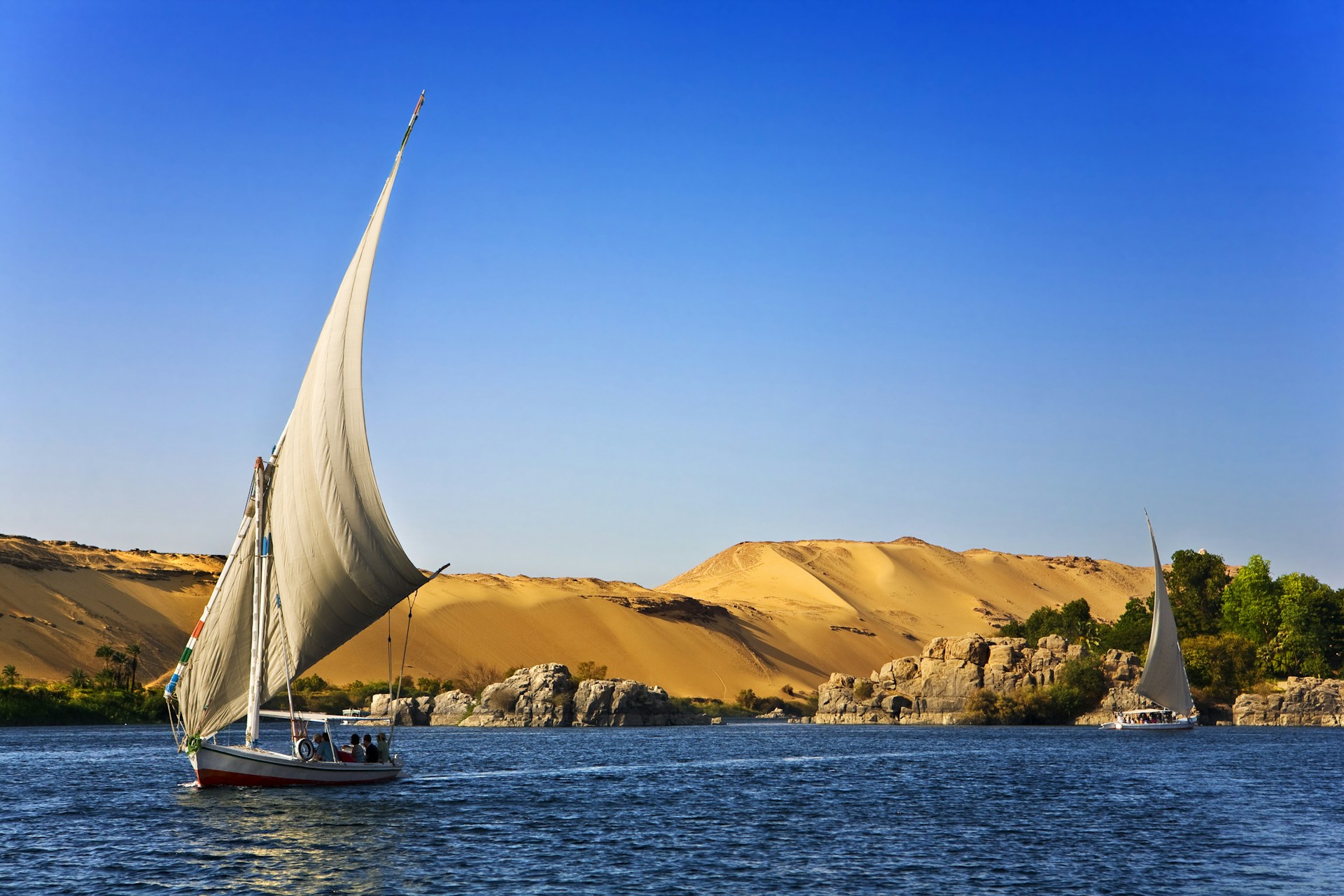
Rather than relying exclusively on established attractions such as the pyramids and major archaeological sites, the government is promoting premium experiences, including boutique accommodation, private Nile cruises, heritage tourism and wellness retreats. The approach aligns with the country's developing hotel pipeline, where upscale and luxury properties account for a substantial proportion of planned accommodation. However, industry operators warn that the availability of high-quality guides, transport services and specialised Nile vessels remains limited.
The new emphasis reflects a broader change in how destinations assess tourism performance. Visitor numbers alone provide an incomplete picture of economic value, particularly when infrastructure demands increase alongside arrivals. Longer stays and higher daily spending could support greater revenue without requiring equivalent growth in tourist volumes. For Egypt, delivering that ambition will depend on improving service standards and transport connections while protecting the cultural attractions that remain central to its international appeal.