
Chichen-Itza Holds Maya Civilisation In Stone
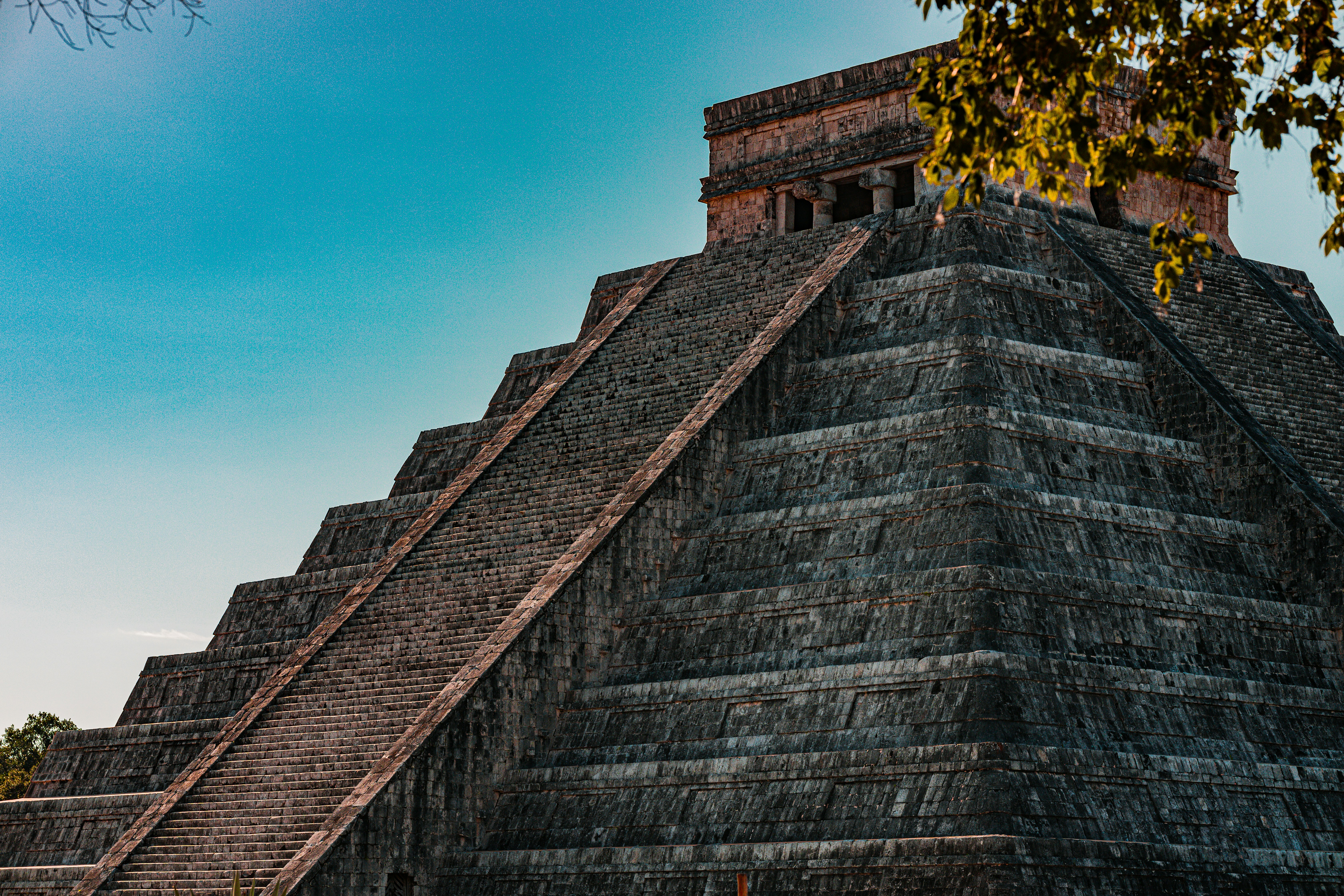
Chichen-Itza remains one of Mexico’s most compelling heritage destinations because it is not a single monument, but a city where belief, astronomy, power and architecture meet in stone. Set in the Yucatán peninsula, the ancient site carries the imprint of nearly 1,000 years of occupation, shaped by Maya foundations and later Toltec influence.
Its name points to the natural cavities, or cenotes, that helped sustain the settlement by providing access to underground water. Around these sources, Chichen-Itza grew into one of the great centres of the region, with early monuments such as the Nunnery, the Church and Akab Dzib reflecting the Maya construction traditions of the Puuc area.
The city’s most recognisable image is El Castillo, also known as the Temple of Kukulkan. Its proportions and commanding presence make it one of Mesoamerica’s defining architectural works, but Chichen-Itza’s importance extends beyond one pyramid. The Great Ball Court, Temple of the Warriors, Group of the Thousand Columns, El Caracol observatory and surrounding ceremonial structures reveal a city designed around ritual, knowledge and civic spectacle.
What gives Chichen-Itza its particular force is the fusion of cultures. Maya building techniques met elements from central Mexico, producing a Maya-Toltec style that made the city influential across the Yucatán from the 10th to the 15th century. Its monuments are not only beautiful; they record a period of exchange, adaptation and political transformation.
For travellers, Chichen-Itza offers more than a famous photograph. It is a place where architecture still explains a civilisation’s relationship with water, the heavens, authority and public life. Yet its popularity also brings pressure, with thousands of visitors arriving daily and conservation requiring constant attention. The challenge is to preserve the silence and dignity of the stones while allowing the world to keep walking through one of the great surviving landscapes of Maya civilisation.