Luxury tourism in the Caribbean carries deep historical and economic legacies that reflect the region’s colonial past, shaping how contemporary travel economies operate and who benefits from them. New research from the Common Wealth think-tank maps how centuries of wealth extraction under British imperial rule laid structural foundations that still influence tourism patterns, branding and capital flows across popular island destinations.
Historians highlight the Caribbean’s role in the transatlantic slave economy, particularly in islands such as Barbados, where plantation systems generated vast wealth for European powers at the expense of enslaved Africans. These colonial geographies of production and extraction created economic configurations that persist today, with high-end tourism effectively taking the place of sugar exports as a primary generator of foreign exchange and external capital.
Modern luxury tourism in the region is often driven by multinational hotel chains, cruise lines and foreign booking platforms that dominate market share, disproportionately repatriating profits. Local stakeholders observe that while tourism draws millions in visitor spending, a significant portion of that revenue flows offshore, leaving limited economic benefit within domestic economies. For every dollar spent by tourists, approximately 80 cents can end up overseas, reflecting patterns of external ownership and control reminiscent of earlier extractive systems.
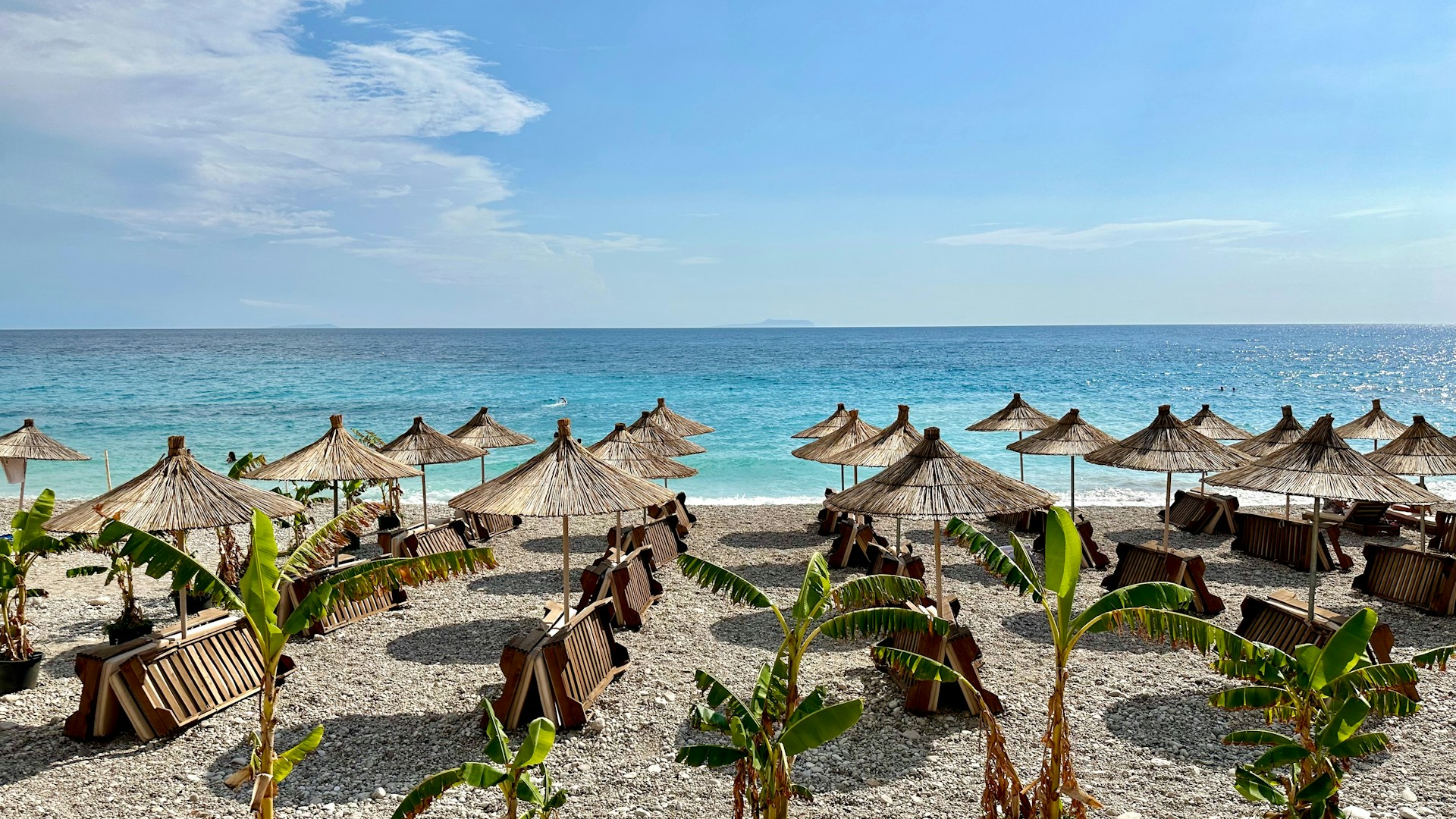
The structure of luxury resort enclaves and cruise-oriented travel also means that many visitors remain effectively segregated from local economies. Cruise lines and large resorts often provide all-inclusive experiences, reducing spending outside their controlled environments and limiting engagement with independent local enterprises. Ports and private beaches operated by international firms further concentrate economic gains with external investors rather than distributing them broadly within host communities.
Environmental impacts compound economic concerns. Cruise ships and large resorts contribute substantial waste and resource depletion, straining fragile island ecosystems in ways that echo extractive commodification of land and labour from earlier eras. These dynamics reveal unresolved tensions between tourism-led development and equitable, sustainable economic participation for Caribbean populations, raising questions about how the industry can evolve beyond its colonial-rooted contours without undermining the very resources that attract global travellers.