
Cargo Voyages Lose Their Open Door
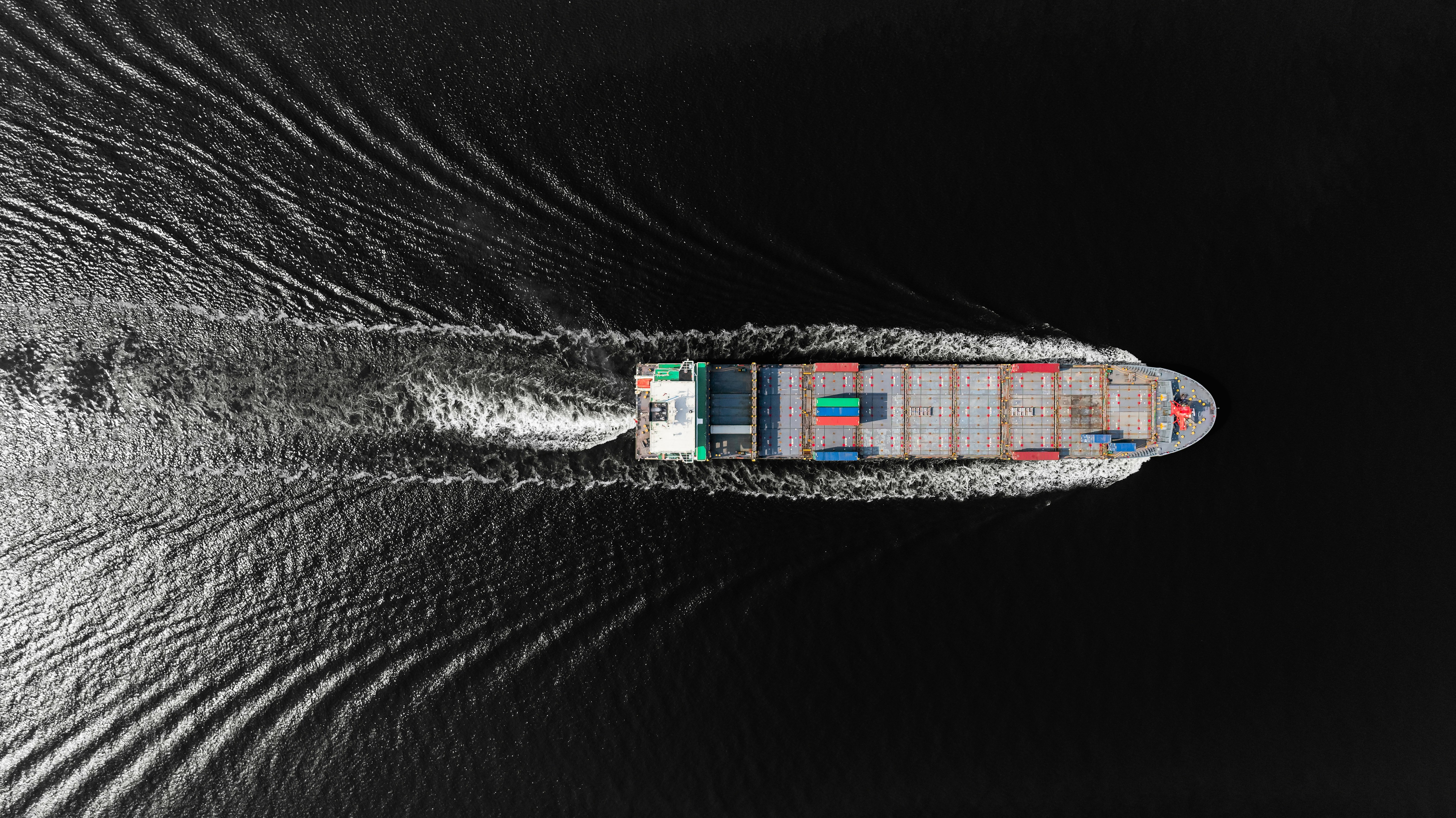
Cargo-ship travel, once one of the world’s quietest forms of long-distance adventure, has become far harder to find. For centuries, working vessels carried paying travellers across oceans and into remote ports, but the niche has sharply contracted since Covid-era restrictions changed health, safety and security expectations at sea.
The appeal was never conventional comfort. Freighter travel offered access to places beyond normal cruise routes, often communities where cargo vessels remain the only reliable connection to the outside world. In southern Chile’s Chonos Archipelago, for example, cargo ferries still reach secluded islands without roads or airports.
What remains is a thinner, more specialised market. Some short-haul cargo ferries still take passengers, while routes survive in places such as Quebec’s Côte-Nord, the South Atlantic, French Polynesia and parts of northern Europe. The Aranui V continues to blend freight and passenger travel across remote Pacific islands, where the ship carries tourists, goods and essential supplies.
There are also signs of reinvention. France’s Neoliner Origin, which made its first transatlantic passage in October 2025, uses solar sails with diesel-electric backup and carries passengers in a small number of cabins. Its operator says crossings have been full, suggesting demand remains for slower, lower-impact sea journeys.
For international travel and tourism, cargo voyages sit between nostalgia and renewal. They offer something mass cruising often cannot: patience, working ports, real encounters and a sense of travelling with purpose. The open door is narrower than before, but where it remains, it still leads to parts of the world ordinary tourism rarely reaches.