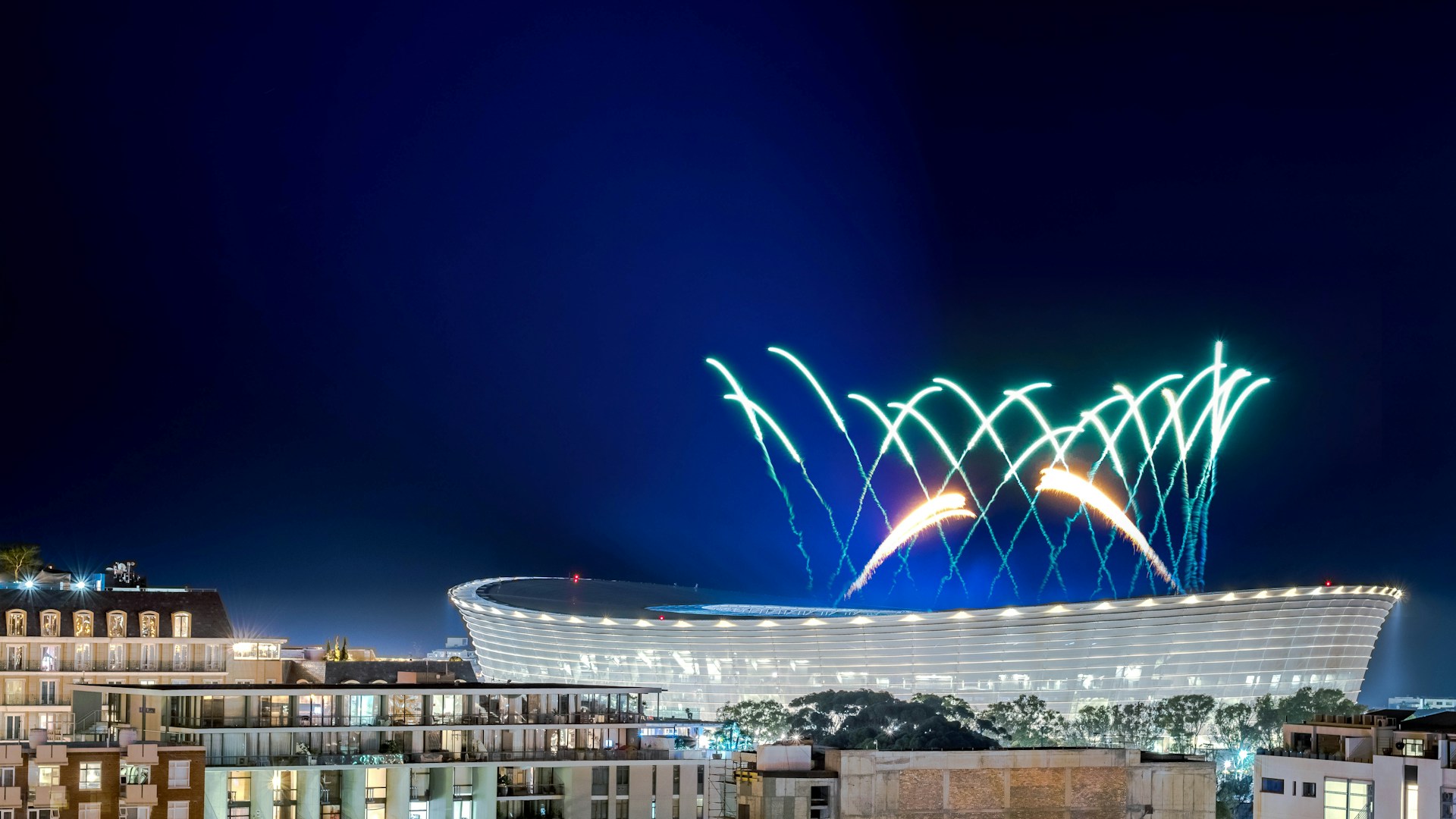
Cape Town is gaining renewed attention in global tourism as a destination that delivers high-end travel experiences at prices well below those of traditional luxury capitals. The city’s growing reputation for affordability alongside quality is reshaping how international travellers assess value in premium travel, particularly at a time when many long-haul destinations remain costly.
The appeal lies in the depth and range of experiences available within a compact area. Five-star hotels, boutique retreats and coastal villas offer world-class accommodation at rates that compare favourably with similar properties in Europe and North America. Fine dining, driven by a thriving culinary scene and nearby winelands, delivers internationally recognised food and wine at accessible prices, while personalised tours and private excursions remain within reach for a broader segment of travellers.
Natural assets play a central role in this positioning. The city’s dramatic coastline, mountain landscapes and beaches offer experiences that in many destinations would be tightly bound to luxury resort pricing. In Cape Town, these elements are integrated into everyday travel, allowing visitors to combine premium comforts with open access to outdoor attractions. Scenic drives, hiking routes and coastal viewing points provide high-impact experiences that do not depend on structured tourism packages.
Cultural depth adds further differentiation. Art galleries, museums, music venues and historical districts contribute to a layered visitor experience that blends heritage with contemporary creativity. Luxury shopping, waterfront developments and curated lifestyle offerings coexist with neighbourhood markets and community-driven events, creating a tourism environment that feels both refined and grounded.
The city’s value proposition is also being amplified by currency dynamics, which continue to make accommodation, dining and services comparatively inexpensive for many international visitors. This pricing advantage allows travellers to extend their stays, upgrade accommodation tiers or pursue multiple experiences within a single trip, strengthening Cape Town’s competitive position in the premium travel segment.
The growing recognition of affordable luxury, however, brings its own pressures. As demand accelerates, questions of sustainability, infrastructure capacity and equitable tourism development become more pressing. How the city manages this balance will shape whether Cape Town can maintain its appeal as a destination that delivers both indulgence and accessibility without eroding the very character that underpins its rise.