
Azerbaijan Looks Beyond Baku for Tourism
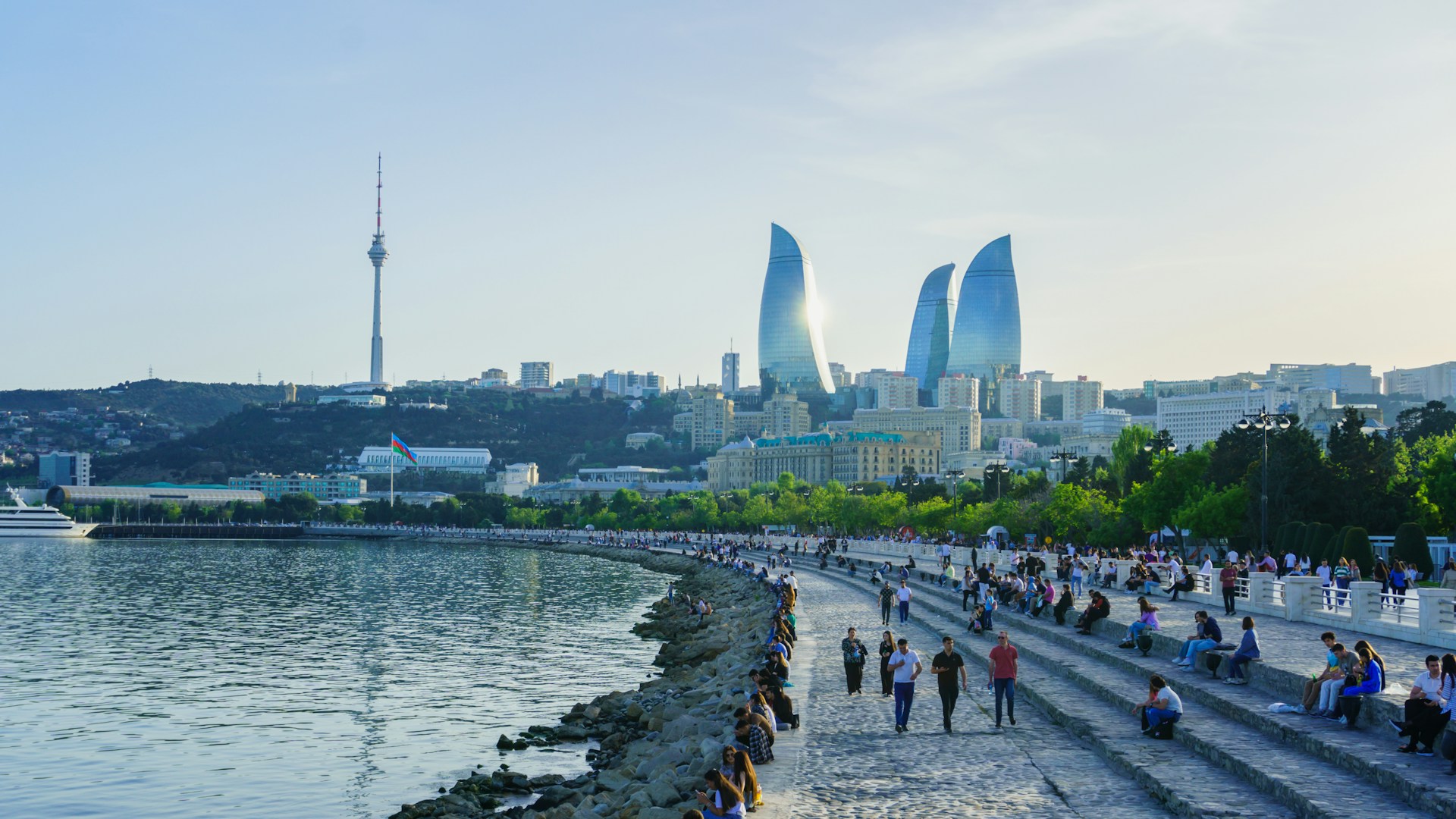
Beyond Baku’s international events, Azerbaijan is looking to the silk workshops, mountain settlements and historic trading towns that give visitors reasons to linger. The country’s tourism ambitions centre on longer stays and stronger regional economies, according to Azerbaijan Tourism Board chief executive Florian Sengstschmid. In an interview published as Azerbaijan Tourism partner content by Euronews, he outlined a development programme running to 2030 that combines better connections with support for smaller businesses.
Sheki illustrates what lies outside the capital. At the foot of the Greater Caucasus, its UNESCO-listed historic centre preserves the architecture of a city enriched by silk. Merchant houses and the Khan’s Palace reflect that prosperity, while high-pitched roofs once accommodated silkworm breeding in spacious attics. Caravanserais, shops and public buildings record the commercial relationships that shaped the town. Here, the Silk Road is legible in the streets themselves, rather than confined to a museum label.
Another expression of the country’s craft heritage is Basgal, a centre of kelaghayi, the traditional silk headscarves whose making and wearing UNESCO recognises as intangible cultural heritage. Sengstschmid describes infrastructure investment there as helping families return, with tea houses, food stalls and silk printing giving visitors encounters with local life. His account points to the practical ambition behind regional tourism: spending that reaches residents and helps sustain the activities travellers have come to see.
Turning that appeal into longer itineraries requires transport and accommodation as well as promotion. According to Sengstschmid, the state programme includes incentives for charter airlines, routes and tour operators, alongside greener regional accommodation and support for micro and small enterprises. Wine tourism and mountain holidays broaden the proposition beyond heritage alone. The opportunity is to connect these experiences into journeys with enough depth to justify additional nights, allowing Azerbaijan’s appeal to unfold beyond a first stop in Baku.