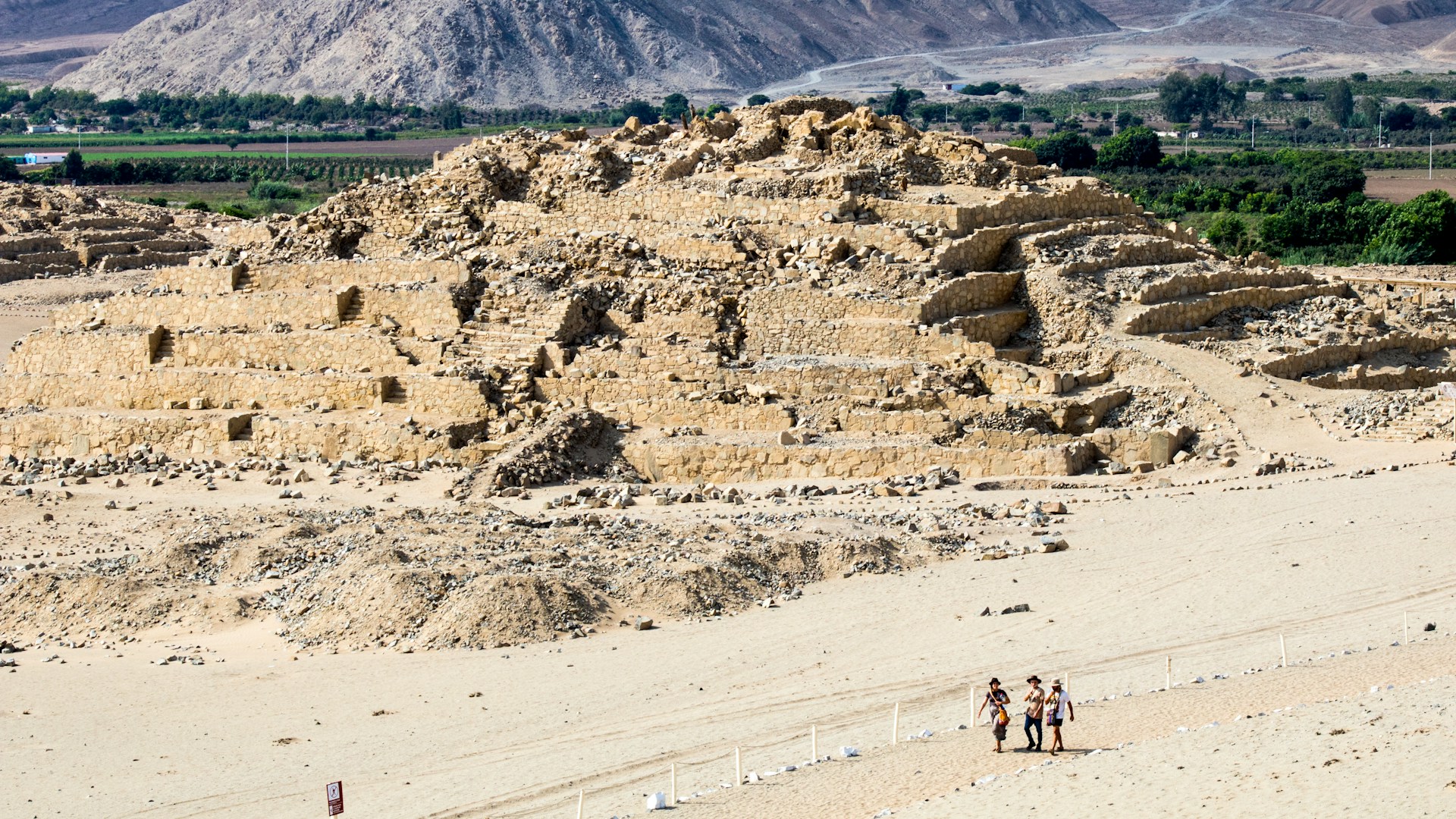
Archaeologists in Peru have unearthed new evidence showing how the ancient Caral-Supe civilisation, the oldest known in the Americas, survived a catastrophic drought 4,200 years ago through adaptability rather than collapse. Instead of perishing under climate stress, the Caral people migrated, rebuilt, and preserved their cultural essence – a narrative of endurance that now carries deep resonance for the modern tourism sector.
The discovery sheds light on the power of heritage as both a story and a strategy. In an era when climate uncertainty again threatens communities and destinations, Caral’s ingenuity provides a living model for sustainable tourism – one that prioritises resilience over exploitation. By protecting their traditions while reshaping their environment, the Caral-Supe people demonstrated that continuity depends not on resisting change, but on evolving with it.
For the travel industry, this perspective reframes how ancient sites can be experienced and interpreted. Rather than treating archaeological locations as static relics, tourism leaders can position them as dynamic classrooms – spaces where visitors engage with lessons about environmental adaptation and community unity. Experiences centred on education, local participation, and responsible visitation can transform these heritage landscapes into models of ethical tourism.
At its heart, Caral’s story is not just about survival, but renewal. It reminds modern travellers that the most powerful journeys are those that connect the past to the future – where each visit sustains the narrative of resilience that first built civilisation itself.