
America’s Anniversary Turns Travel Into History
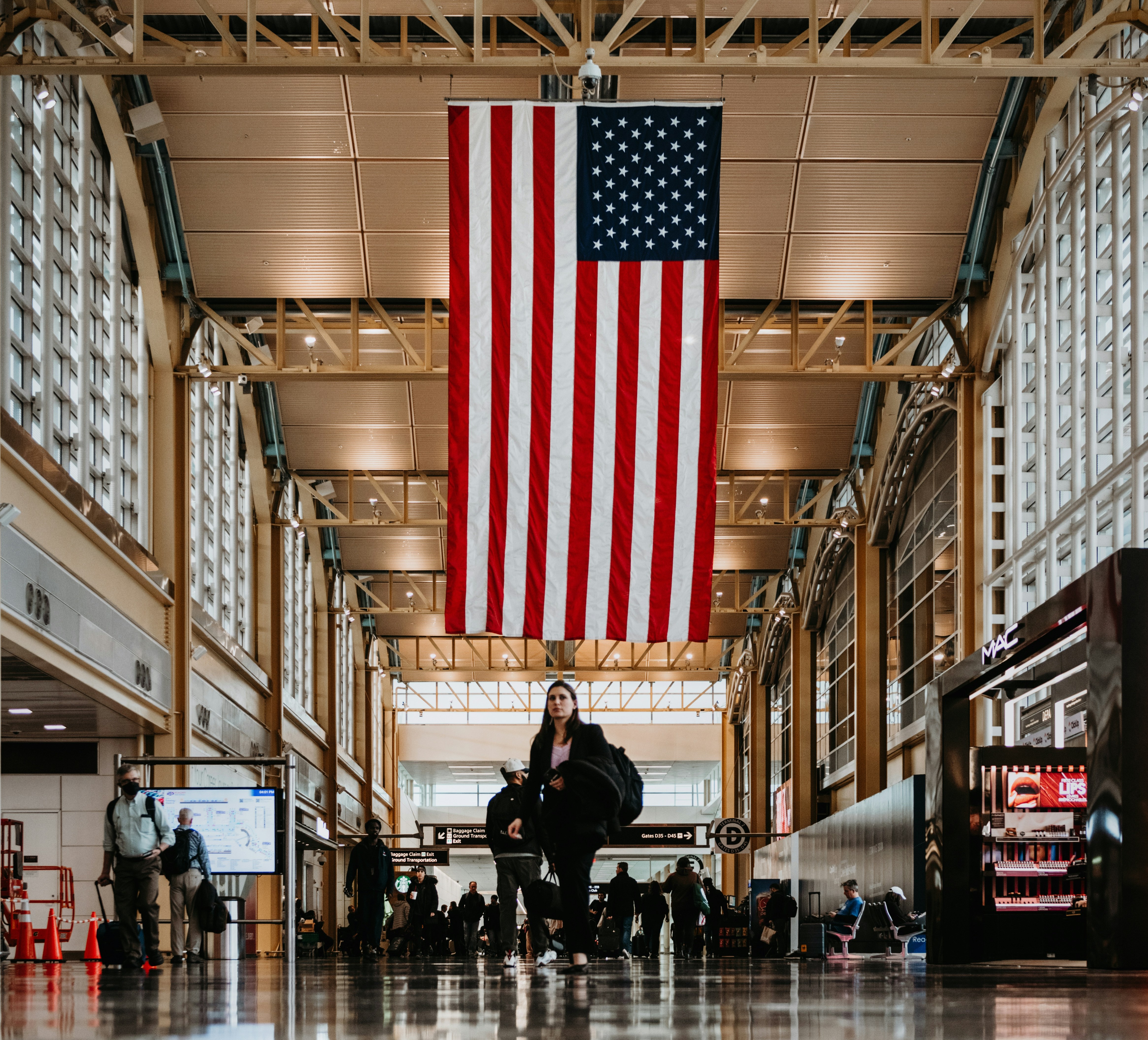
America’s 250th anniversary is turning summer travel into a journey through national memory, with celebrations spread across cities, coastlines and historic sites. For international visitors, the appeal is not only the scale of the commemoration, but the chance to experience the country through places where its founding stories are being publicly revisited.
The anniversary programme reaches well beyond a single Independence Day moment. Official travel listings frame 2026 as a year of history, culture and connection, with events ranging from the Smithsonian’s “In Pursuit of Life, Liberty & Happiness” exhibition in Washington, D.C., running from March 2026 to March 2027, to Colonial Williamsburg’s July 4 commemoration in Virginia. These experiences place visitors close to the museums, streets and reconstructed settings through which American history is often encountered most vividly.
The summer calendar also brings a maritime spectacle. Sail250 is bringing tall ships and naval vessels to ports including New Orleans, Norfolk, Baltimore, New York and Boston, with the New Orleans opening programme offering public tours along the Mississippi Riverfront. The scale of the event gives the anniversary an international texture, with ships from several countries turning the waterfront into a moving stage for heritage, ceremony and travel.
For travellers, the wider draw lies in how the anniversary links major cities with regional identity. Philadelphia, Boston, Virginia and Washington are positioned not simply as stops on an itinerary, but as places where independence, civic memory and contemporary storytelling overlap. The strongest trips will likely be those that move between landmark events and slower encounters, from historic inns and museums to riverfront gatherings and living-history displays.
The unresolved question is how much the anniversary will deepen travel beyond celebration. Its real value may be in encouraging visitors to see the United States less as a checklist of monuments, and more as a country still interpreting the meaning of its own beginnings.