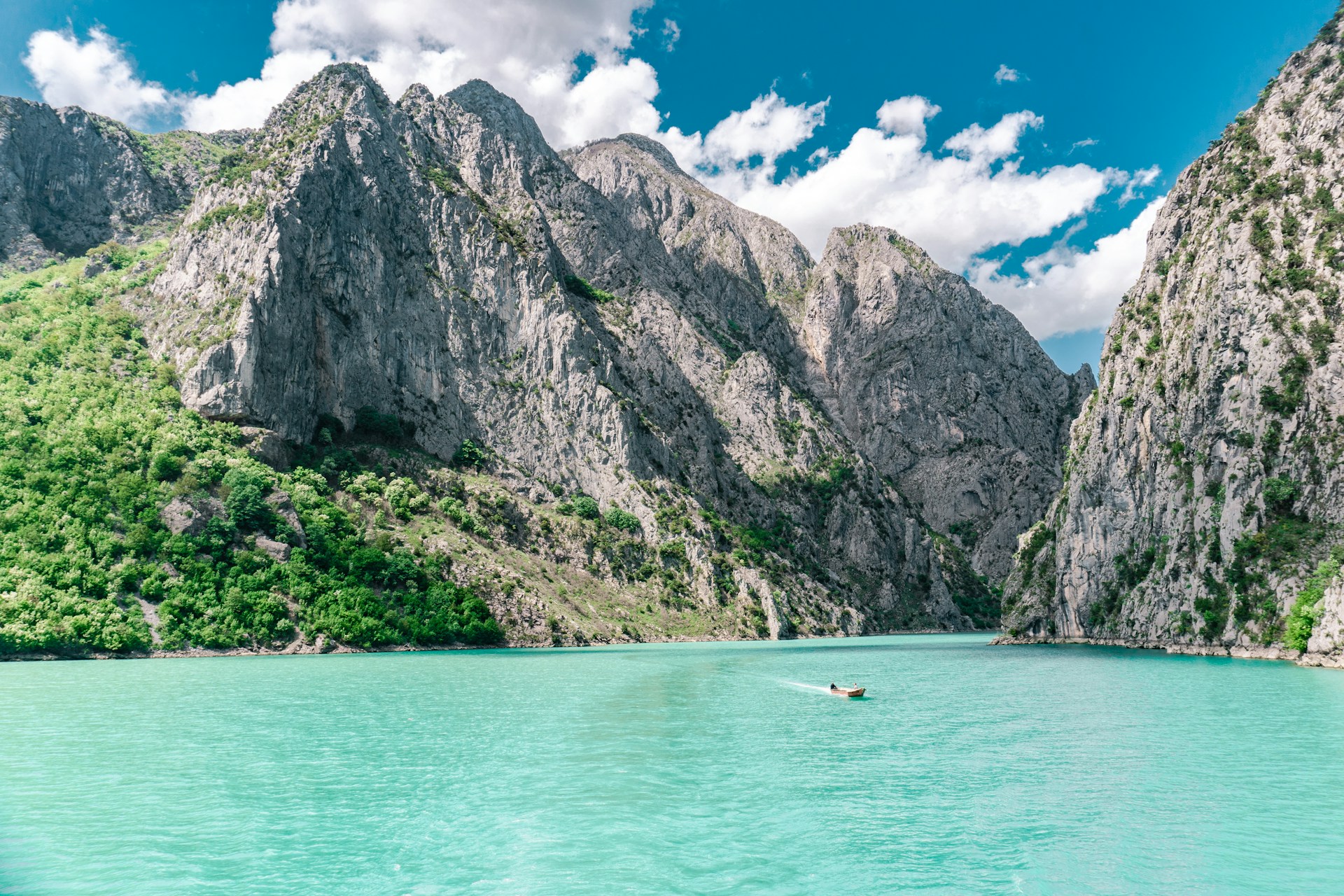
Albania is drawing fresh international attention as a European destination that blends unspoilt coastline, rugged mountain landscapes and a layered cultural history that has remained largely outside mainstream tourism. Once isolated and overlooked, the country is now appearing more often on global travel itineraries as visitors seek alternatives to crowded Mediterranean hotspots. Its appeal lies not only in scenic variety, but in a sense of discovery that has become increasingly rare across the continent.
Along the southern Ionian coast, places such as Dhërmi, Ksamil and Himarë offer clear water, sweeping views and beaches that, for now, remain less commercialised than those in neighbouring countries. Inland, Albania’s mountain ranges create a sharp contrast, with hiking routes, lakes and traditional villages set against dramatic peaks. This mix of sea and highland gives the country a geographical diversity that few European destinations of its size can match. Towns such as Gjirokastër and Berat, recognised for their preserved Ottoman architecture and historical significance, further deepen the cultural experience for travellers interested in heritage as well as scenery.
Despite its growing profile, Albania’s tourism sector is still developing. Infrastructure varies widely, especially outside major centres. Roads, transport connections and accommodation options are improving but remain inconsistent in more remote areas. This unevenness has, in part, preserved the country’s sense of authenticity, yet it also presents a challenge as visitor numbers increase. Balancing access with preservation has become a central question for local authorities and businesses seeking to position Albania on the global tourism map without eroding what makes it distinctive.
Rising interest from international travellers signals a shift in how destinations are being chosen, away from familiar names and towards places offering originality and value. Albania’s emergence reflects that change. Its future as a major tourist destination will depend less on rapid expansion and more on the careful development of services that respect its natural environments and historical character, ensuring that growth reinforces rather than replaces its unique identity.