
ALAGEV and the Conditions for a Shared Industry
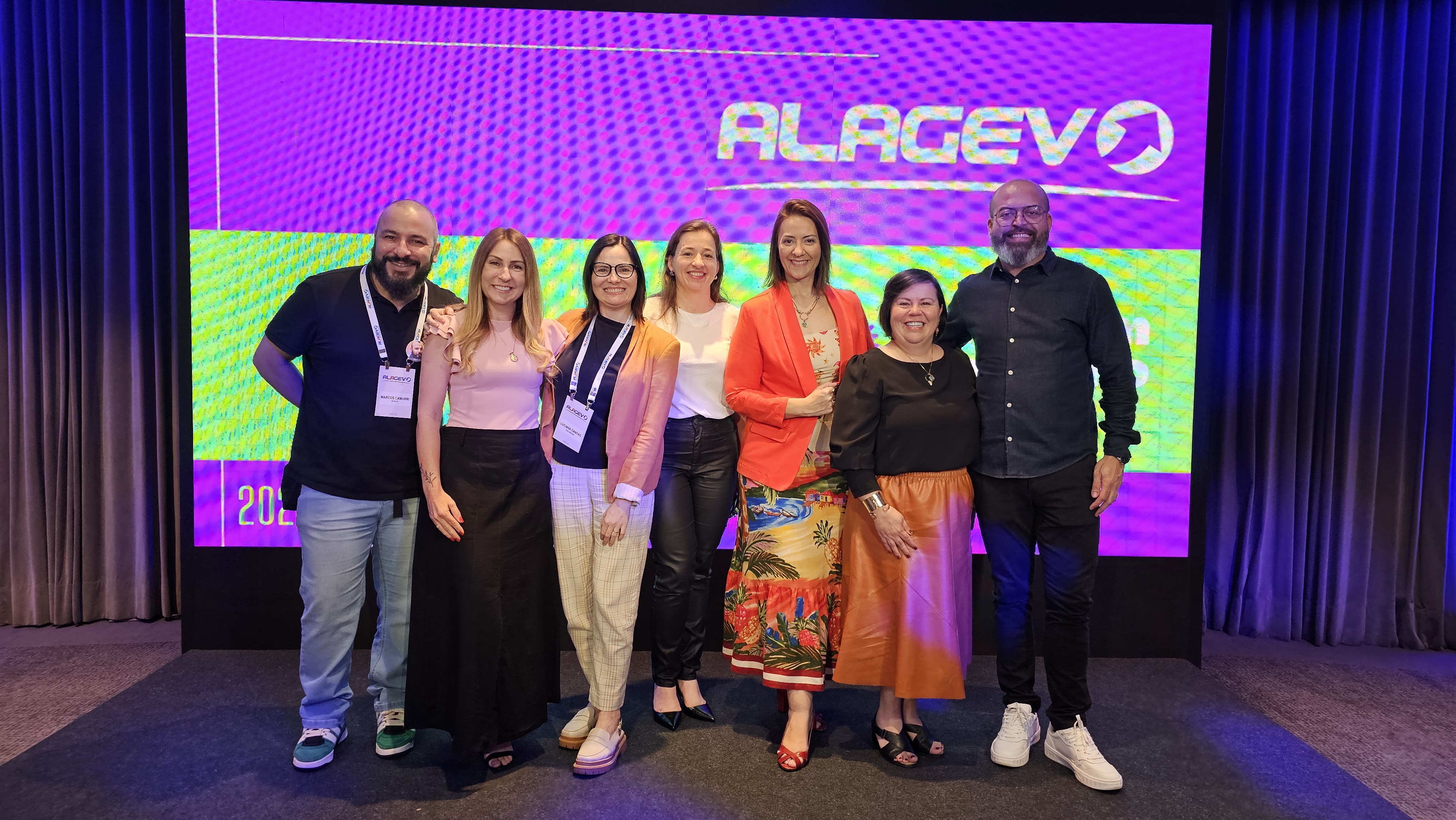
Corporate travel and events rarely draw attention to the systems that hold them together. When they function well, they appear effortless: executives move between cities without disruption, meetings unfold on schedule, and partnerships are reinforced through carefully managed encounters. What remains largely unseen is the coordination required to make this possible - the standards agreed upon, the risks absorbed, and the conversations that happen long before any itinerary is confirmed.
In Latin America, this invisibility carries particular consequence. The region’s corporate travel and events ecosystem spans markets with distinct regulatory environments, uneven infrastructure and different levels of professional maturity. Fragmentation is not an exception but a persistent risk. Alignment cannot be assumed; it must be built, tested and maintained deliberately. ALAGEV has positioned itself within this quieter layer of the industry, not as a transactional intermediary or event organiser, but as a form of shared infrastructure - a place where an ecosystem learns how to function collectively over time.
An Industry That Cannot Function in Isolation
Corporate travel and events now operate under conditions of sustained complexity. Governance expectations have intensified, ESG considerations have shifted from aspiration to requirement, and technology has reshaped how travel, mobility and meetings are planned, tracked and evaluated. Buyers are accountable not only for cost efficiency, but for duty of care, data integrity and social impact. Suppliers, in turn, must respond to these pressures while managing operational risk and commercial viability.
In Latin America, these dynamics are amplified by structural diversity. Organisations operate across countries with different compliance regimes, labour frameworks and logistical realities. Practices that are standardised elsewhere often require adaptation here. Without shared reference points, decision-making becomes fragmented, standards diverge and risk accumulates unevenly across the value chain. The challenge facing the industry is not a lack of expertise, but the absence of continuous, trusted environments where that expertise can be compared, challenged and refined collectively.
Building the Infrastructure for Collective Progress
ALAGEV’s relevance emerges precisely from this gap. Rather than defining itself through isolated initiatives or episodic events, the association has invested in building platforms that persist beyond market cycles. This role is sustained by a governance model designed to preserve neutrality, continuity and long-term vision across market cycles. Its councils, thematic communities and forums function as stable spaces where buyers and suppliers can engage in dialogue about issues that are often difficult to address within purely transactional relationships.
Neutrality here is not a posture; it is a discipline. Conversations around cost transparency, ESG trade-offs, technology adoption or traveller behaviour can quickly become contentious when commercial interests intersect and often evolve within Alagev’s forums into shared benchmarks that inform decision-making across the ecosystem. ALAGEV’s credibility rests on its ability to convene these discussions without allowing any single agenda to dominate. This restraint is active and sometimes uncomfortable, yet it is precisely what enables collective intelligence to surface. Research, benchmarking and market intelligence provide a factual backbone to these exchanges, allowing participants to move beyond anecdote toward shared understanding and informed judgement.
From Events to Ecosystem Practice
Flagship initiatives such as LACTE represent the most visible expression of ALAGEV’s work, yet their value lies in concentration rather than spectacle. Over successive editions, LACTE has become a reference point not because it gathers the industry annually, but because it reflects the priorities, tensions and emerging questions shaping corporate travel and events at a given moment.
Equally significant is what happens between events. Matchmaking programmes, working groups and tailor-made projects are designed to translate proximity into practice. Engagements typically begin with diagnosis - understanding where an organisation sits within the ecosystem and what it needs to progress - before moving into co-design and execution. Learning is embedded throughout the process, ensuring outcomes inform future initiatives rather than remaining isolated successes. In this way, value becomes cumulative rather than episodic.
Culture as an Operating System
Sustaining this model depends as much on internal culture as on external structure. ALAGEV operates with a horizontal, participative approach that keeps teams close to market realities. Listening is treated as an operational discipline rather than a courtesy. Programmes are adjusted as conditions shift, and experimentation is encouraged where it enhances relevance rather than novelty.
Talent development extends beyond the association itself. By creating platforms where professionals can gain visibility, exchange knowledge and assume leadership roles, ALAGEV functions as a catalyst for individual growth across the ecosystem. Recognition in industry rankings and forums is not positioned as an endpoint, but as evidence of sustained contribution. It is within this long-term, system-oriented approach that international recognition becomes a consequence rather than a goal. This reinforces trust - not only in the organisation, but in the professional community it convenes.
Looking ahead, ALAGEV’s trajectory reflects continuity rather than reinvention. Expanding its work in data and intelligence responds to a growing demand for evidence-based decision-making. Investment in education and professional communities supports the maturation of a sector that must adapt continuously. Innovation and technology are approached as enablers of coordination, not as solutions in isolation.
Regional expansion and international dialogue are framed pragmatically. Latin America’s diversity requires bridges rather than templates, and ALAGEV’s ambition lies in strengthening coherence without erasing difference. By strengthening coherence without erasing regional diversity, ALAGEV helps position Latin America as an increasingly mature and connected voice within the global corporate travel and events landscape. Advocacy, in this context, is less about confrontation than articulation - giving collective voice to shared priorities in public and private arenas.
Ultimately, ALAGEV’s value is measured as much by what it prevents as by what it produces. By reducing fragmentation, lowering friction and sustaining dialogue, it allows an industry to move forward with greater confidence and clarity. In a sector defined by movement, its most enduring contribution may be providing the conditions under which alignment, judgement and collective progress can take shape - steadily, deliberately, and together.