In the centre of the Kansas plains, a family’s vision has quietly reshaped how people connect with the natural world. Tanganyika Wildlife Park, owned and operated by the Fouts family, has become one of America’s most distinctive wildlife destinations – a place built on the belief that care begins with understanding.
Home to more than 400 animals representing over 100 species, Tanganyika has turned its philosophy of close, respectful interaction into a working model for the wider industry. By inviting visitors to participate rather than simply observe, the park demonstrates how empathy, education, and experience can coexist – and how a local family enterprise can help the world learn to care differently.
The Heart of the Experience
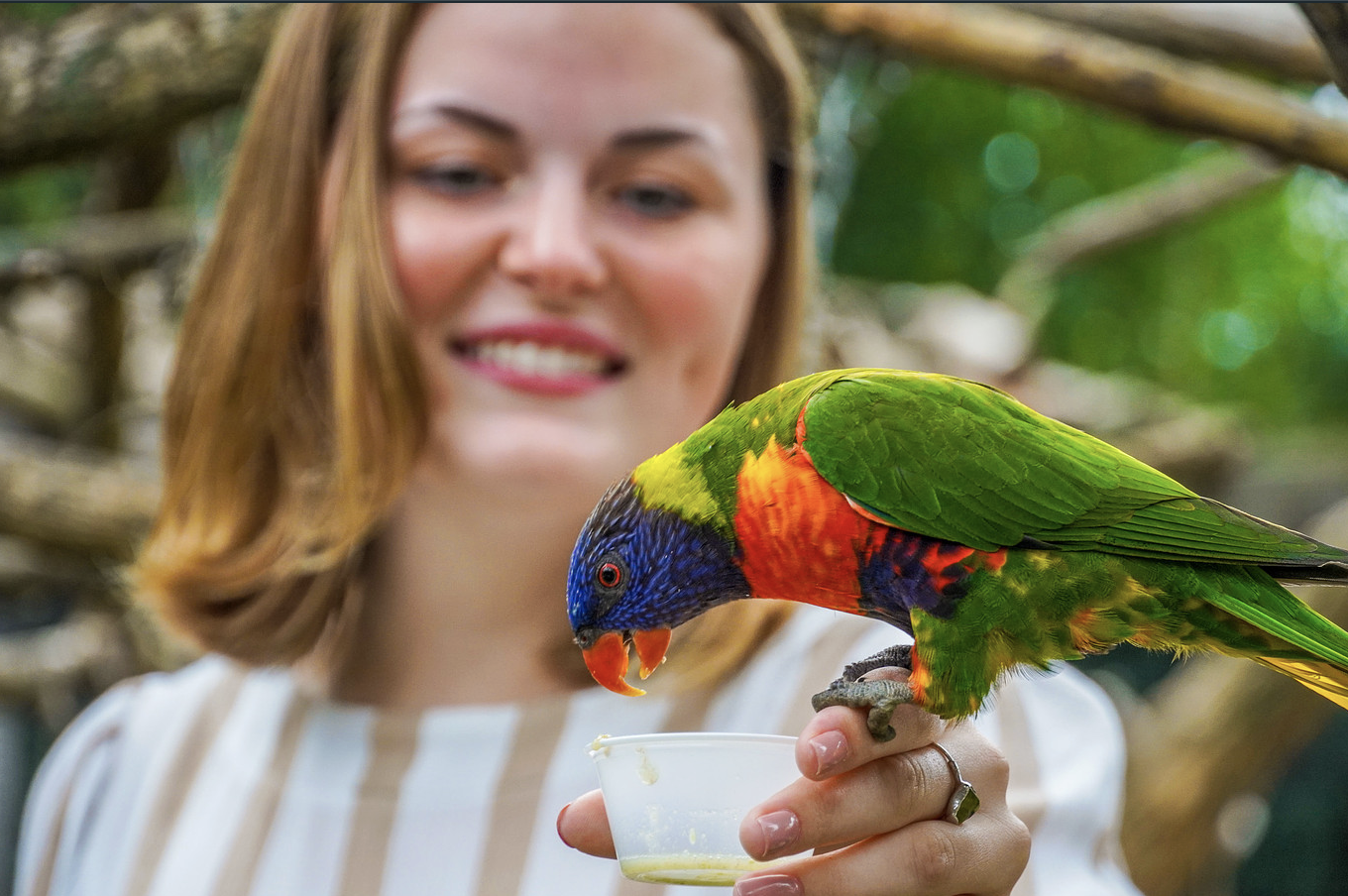
What sets Tanganyika apart is not the size of its collection, but the depth of its philosophy. “Think differently, act differently, and deliver something no one else can” – that mindset shapes everything from animal care to guest interaction. Visitors don’t simply observe animals; they share space, time, and curiosity with them. Feeding giraffes, swimming with penguins, painting with rhinos – each encounter is designed to build empathy through experience.
At the core of this design are the park’s values: Love First, Grow or Die, Own It, and Refuse to Lose. These aren’t just slogans printed on staff walls – they’re daily practices. “Love First” informs how the team treats animals, guests, and one another, while “Own It” and “Grow or Die” remind every member to take responsibility for improvement. “Refuse to Lose” keeps the park pushing boundaries in an industry that can easily become routine.
This fusion of empathy and accountability turns a visit into something that feels personal, even trans formative. It also sets a new standard for how tourism can inspire responsibility. At Tanganyika, joy and stewardship are inseparable – a philosophy that has made it one of the most distinctive wildlife experiences in the United States.
Innovation as a Competitive Edge
Tanganyika’s innovation lies in rethinking what a zoo can be. Where traditional zoological parks focus on exhibits, Tanganyika focuses on encounters. Its team designs each experience through empathy – considering both animal welfare and guest connection. This dual lens ensures that every interaction, from a le mur feeding to a behind-the-scenes hippo tour, feels safe, natural, and full of meaning.
That attention to emotional design extends to operations. Every new idea begins with the mission: it must serve animal welfare and guest engagement in equal measure. Teams then prototype and test concepts from both perspectives before launch. Staff are empowered to refine, improve, and take ownership of outcomes – a culture that makes agility a competitive advantage.
The result is a park that evolves continuously. Tan ganyika’s agility allows it to respond faster to visitor feedback, conservation opportunities, and emerging travel trends than larger, more bureaucratic institutions. In a sector often tied to tradition, it has found success through curiosity – proving that innovation and empathy can coexist at the heart of tourism.
A Culture That Grows People as Much as Animals
Behind Tanganyika’s success is a culture as dynamic as its habitats. The park attracts people who thrive in a setting that demands both courage and compassion. Staff describe the environment as “intense, but human” – a place where radical candour and kindness go hand in hand. Feedback is honest, improvement is constant, and learning never stops.
The park hires for attitude over experience. It seeks “learners, not know-it-alls” – individuals who are curious, adaptable, and unafraid to take responsibility. In practice, this means every employee is both a care taker and a creator, shaping guest experiences with the same care they show the animals.
This culture of growth mirrors the guest experience itself. Visitors leave inspired to learn; staff arrive eager to grow. It’s a reciprocal energy that sustains the park’s spirit and ensures consistency between what Tanganyika promises and what it delivers. That alignment of values – internal and external – is what transforms a local zoo into a living brand of connection.
Building the Future of Wildlife Tourism
The park’s ambition is now extending beyond its fences. Tanganyika is in the midst of an ambitious capital campaign that will redefine its footprint and deepen its impact. The upcoming Penguin & Otter Swim will expand its all-inclusive interactive model with immersive aquatic habitats. A Safari Park is on the horizon, offering guided experiences that echo the landscapes of Africa. The planned Animal Experience Centre will serve as a hub for hands-on education, and future on-site lodging will allow guests to turn a day visit into an overnight escape.
These projects aren’t just about scale – they’re about meaning. Tanganyika’s goal of creating one million “WOW moments” in a single season captures its philosophy perfectly: measuring success not by numbers alone, but by the depth of emotion each guest carries home.
The recognition has followed naturally. Named Best Animal Encounter in the U.S. by USA Today’s 10Best and boasting a social media reach in the hundreds of millions, the park has mastered the art of making conservation go viral. But beyond accolades, its breeding programmes for rare species – from pygmy hippos to clouded leopards – reveal a deeper victory: a model where joy and preservation work in harmony.
As the boundaries between conservation, education, and tourism continue to merge, Tanganyika Wildlife Park offers a working model of what the sector’s next chapter could look like. Its success shows that meaningful interaction – grounded in ethics and empathy – can create both emotional value for visitors and measurable impact for wildlife.
The park’s next phase of growth, from new safari landscapes to immersive aquatic habitats, points towards an experience-driven form of travel where participation replaces observation. For the wider industry, Tanganyika’s evolution is a reminder that sustainability and innovation are no longer opposing forces, but complementary ones.