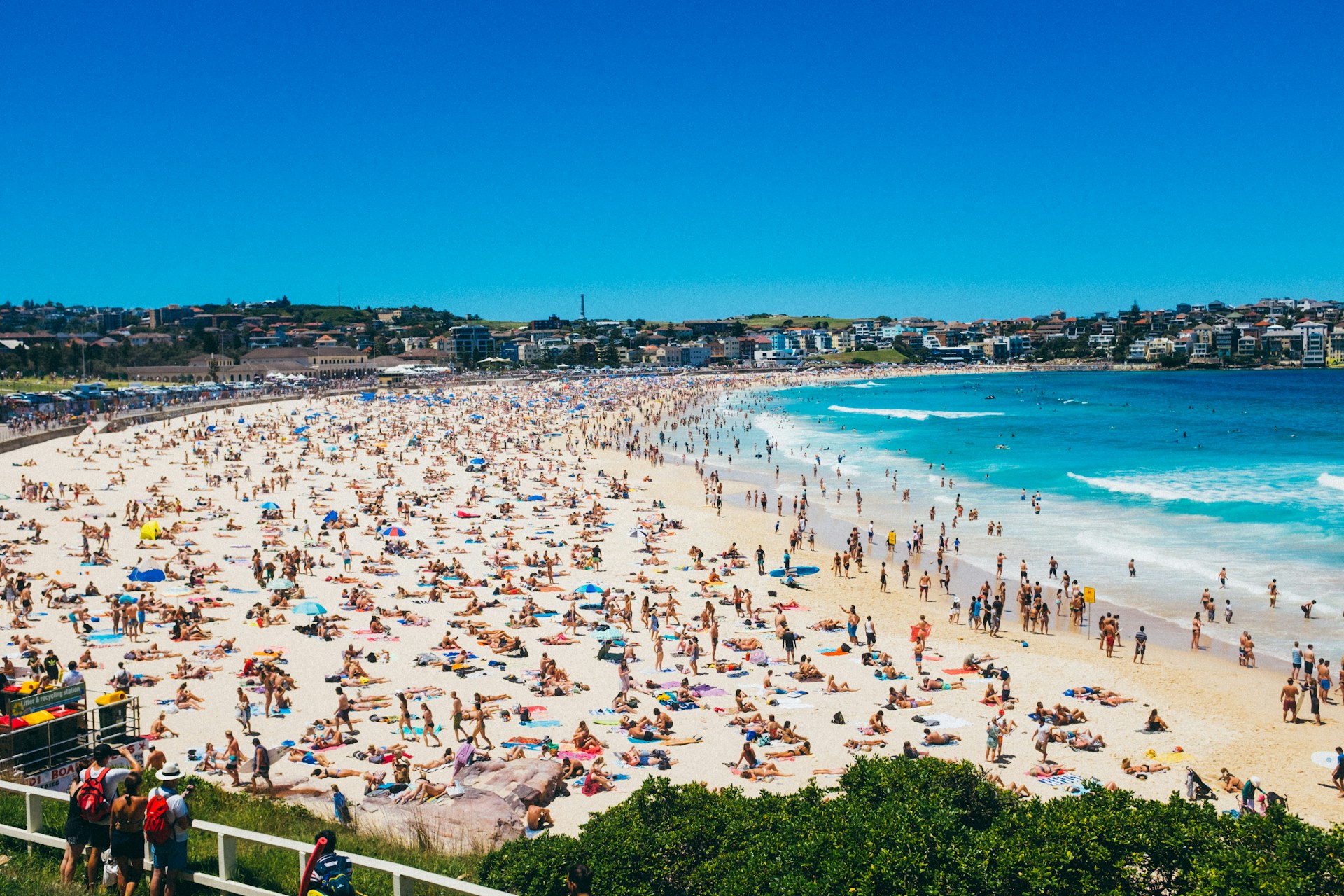
A deadly mass shooting at Sydney’s iconic Bondi Beach has jolted Australia’s travel landscape, raising fresh concerns about safety for international visitors and the vulnerability of major tourist hubs to acts of extremist violence. The attack unfolded during a Hanukkah celebration adjacent to the famous shoreline, a location synonymous with global leisure travel and cultural exchange, leaving multiple tourists and residents among the casualties.
Police have identified a father and son as the alleged gunmen, both armed with legally held firearms, with one shot dead at the scene and the other critically injured in custody. The incident occurred in the early evening at Archer Park, a public gathering place frequently visited by travellers and locals alike, before authorities declared the event a terrorist attack driven by antisemitic motives. At least 16 people were killed and dozens injured in the rapid exchange of gunfire and ensuing chaos, marking the deadliest mass shooting in Australia in decades and a profound shock to a nation long regarded as safe for visitors.
Immediate international reaction was swift, with vigils, diplomatic expressions of solidarity and travel advisories from multiple countries urging caution near the Sydney beach precinct. The involvement of licensed weapons and alleged extremist motivation has triggered scrutiny of Australia’s firearm licensing and counter-terrorism frameworks, as government leaders vowed to strengthen gun laws and enhance protective measures at public venues that attract large numbers of foreign travellers.
Tourism operators and airlines are monitoring the evolving situation closely, with some traveller groups advising clients to avoid high-density public events until authorities stabilise security conditions. Bondi Beach, a longstanding symbol of Australian coastal allure, draws millions of international tourists each year; the attack’s setting at a community festival underscores the unpredictable nature of targeted violence and its ripple effects on destination confidence.
Hospitality, tour and transport sectors now face the challenge of reassuring prospective international visitors while balancing respect for the victims and local communities. How swiftly and effectively Australian authorities implement enhanced safety protocols and communicate them to global travellers will be a critical test of the nation’s resilience as a premier destination in the competitive international tourism market.