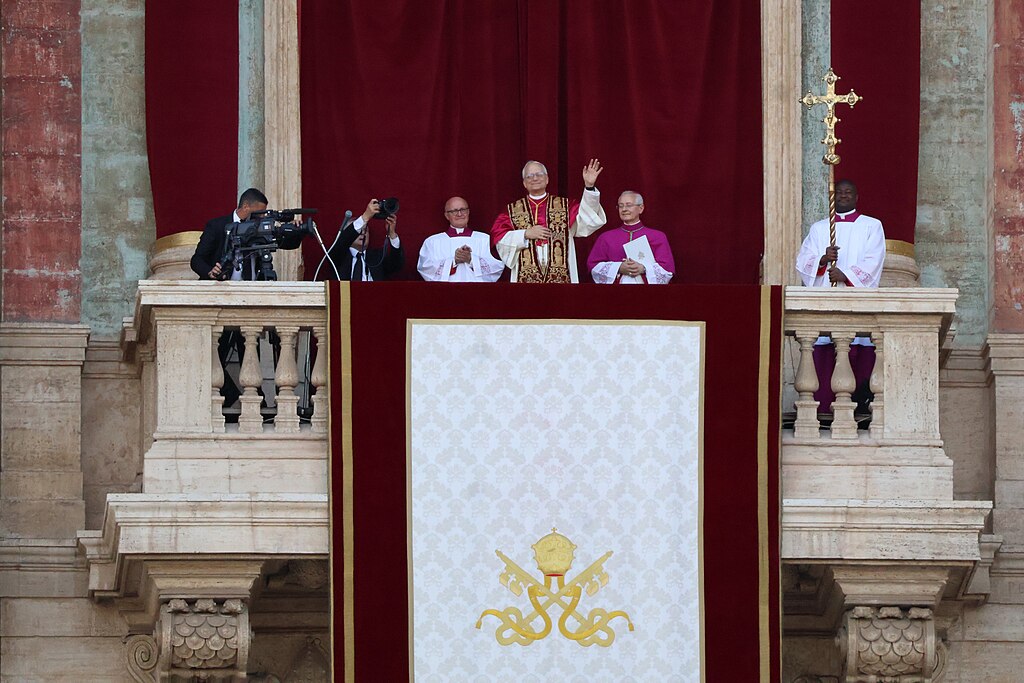
The recent visit of Pope Leo XIV to Turkey – marked by a high-profile meeting with Christian leaders from across the Middle East and commemoration of the 1,700th anniversary of the First Council of Nicaea – is drawing fresh global attention to Turkey’s religious heritage.
Stopping in Istanbul, Iznik (ancient Nicaea) and other historic locales, the visit highlights sites that are deeply meaningful for Christians worldwide. For travellers interested in religious history, faith-based pilgrimage, or cultural tourism, Turkey’s mix of early-Christian landmarks, Byzantine-era relics and diverse religious heritage presents renewed appeal.
This moment could reshape Turkey’s standing on global pilgrimage and travel itineraries. As pilgrims and tourists worldwide follow the pope’s route, interest may surge in lesser-known historic sites and spiritual destinations beyond the usual popular spots. That could bring economic and cultural benefits to regions that seldom attract foreign travellers outside of peak tourism seasons.
Still, whether this interest leads to sustainable tourism growth depends on infrastructure, preservation of sensitive sites and the balance between visitor demand and community and religious sensitivities. If well managed, the visit and its reverberations may mark the beginning of a new chapter in faith-driven international tourism.