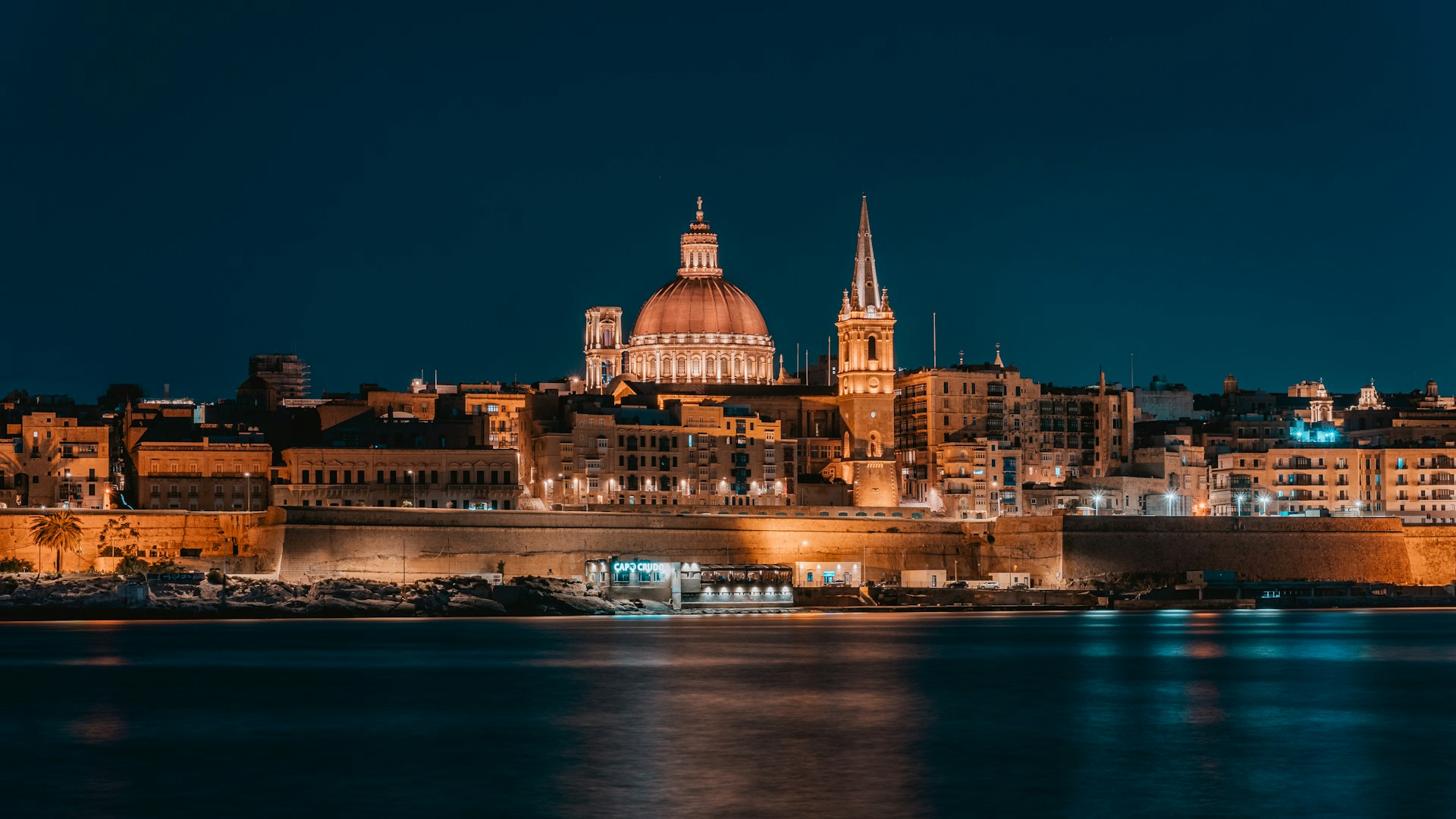
Malta is embracing a new wave of tourism development focused on the night-time economy, joining countries such as Latvia, Poland, Germany, and Sweden in transforming after-dark experiences into a major attraction for international travellers. The initiative marks a strategic effort to diversify the island’s visitor offerings and extend engagement beyond traditional daytime sightseeing.
The Maltese government’s plan includes enhancing nightlife infrastructure, introducing cultural and music events, and illuminating historic sites to create immersive evening experiences. By integrating local food markets, waterfront entertainment, and open-air performances into its tourism framework, Malta aims to attract a broader demographic of travellers while encouraging longer stays and higher visitor spending.
The move reflects a wider European trend as destinations increasingly recognise the economic and cultural potential of night-time tourism. For Malta, the approach also offers a way to counteract the effects of seasonality that typically limit Mediterranean travel demand to summer months. Extending activity into the night allows the island to maintain year-round appeal while supporting local employment and businesses.
Authorities have emphasised that the expansion will focus on quality and sustainability rather than volume. New licensing policies and community-led initiatives are being introduced to balance vibrancy with responsible tourism management. The goal is to foster a thriving evening economy that supports both residents and visitors while preserving Malta’s cultural identity.
As global travel patterns evolve, Malta’s pivot towards curated night-time experiences signals how smaller destinations can compete on innovation and atmosphere rather than scale. By aligning entertainment, heritage, and sustainability, the island positions itself at the forefront of Europe’s new tourism landscape.