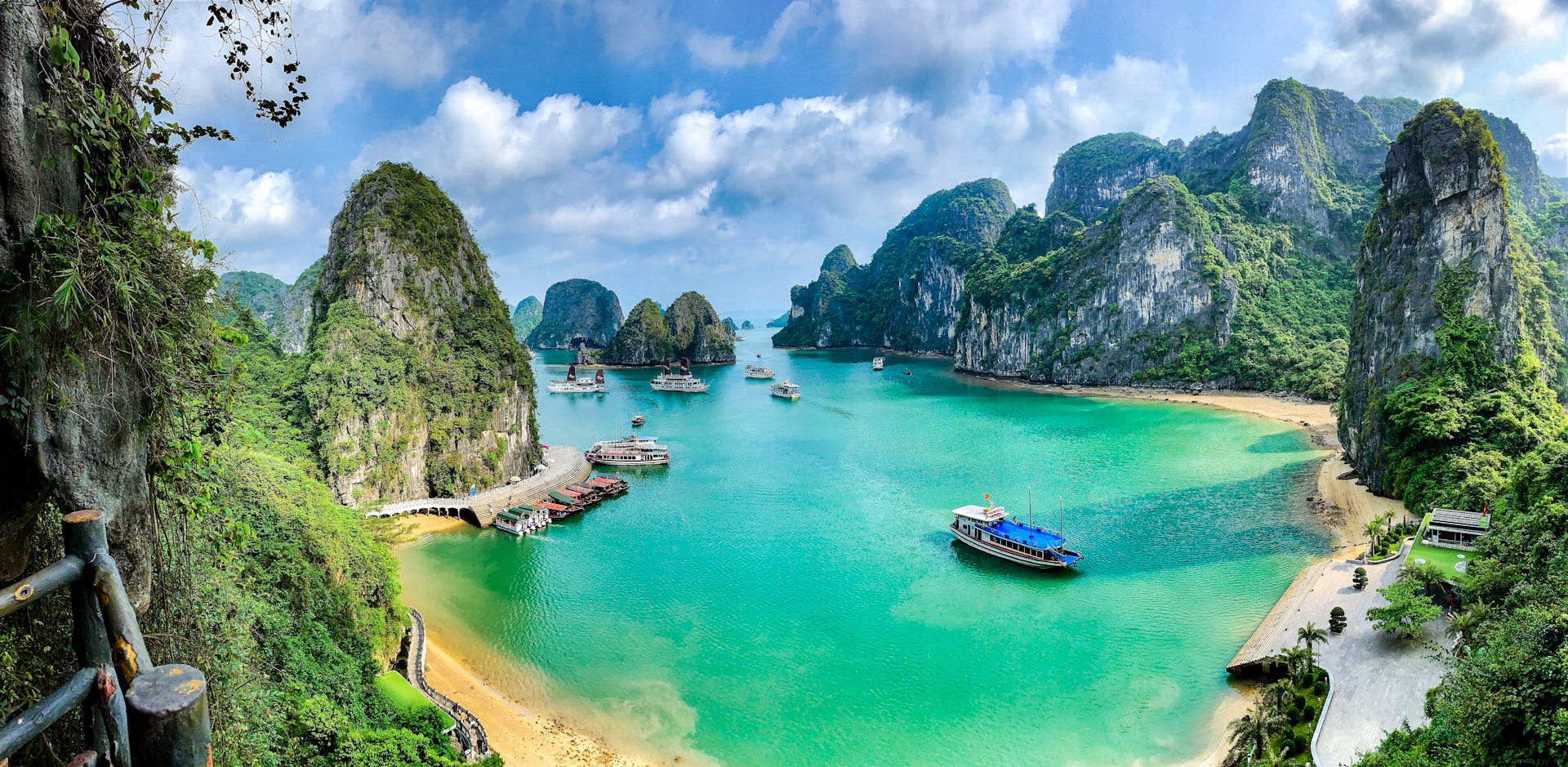
A fleet of traditional red-sailed wooden boats is set to enter official tourism service in Vietnam’s Ha Long Bay, marking a cultural revival designed to enhance nearshore visitor experiences while preserving the integrity of the UNESCO-listed landscape. The initiative blends maritime heritage with modern tourism strategy in Quang Ninh province.
Since early February, three vessels modelled on historic “three-plank” boats have been navigating coastal waters near Ha Long City. Their vivid red sails, contrasting against limestone karsts, have drawn significant public attention, particularly during Lunar New Year celebrations. The boats were commissioned from local craftsmen in the Quang Yen region, incorporating traditional hull construction techniques while adapting materials and fittings to meet contemporary safety and passenger requirements.
The name “three-plank” derives from the distinctive structural method in which each side of the hull is formed from three large wooden planks. Historically favoured by fishermen for balance and stability in northern Vietnam’s tidal waters, the design is being reintroduced as a cultural and visual feature for modern sightseeing. Unlike the original brown plant-dyed sails used for durability, the new vessels feature bright red fabric to maximise aesthetic appeal.
Following a successful trial period along a 12-kilometre coastal route, operations have been temporarily suspended for technical inspections and safety reviews. Adjustments are being finalised to enhance onboard comfort and ensure compliance with regulatory standards. Licensing procedures are also under way with the Quang Ninh Department of Culture, Sports and Tourism ahead of an official launch scheduled for early March.
Plans envisage expanding the fleet to ten boats, offering 40-minute nearshore sightseeing trips tailored to travellers seeking photography and cultural immersion. The vessels will be restricted from entering the core conservation zones of the heritage site, focusing instead on coastal areas to avoid ecological strain. By integrating traditional craftsmanship into structured tourism development, local authorities aim to reinforce Ha Long’s cultural identity alongside its natural appeal.